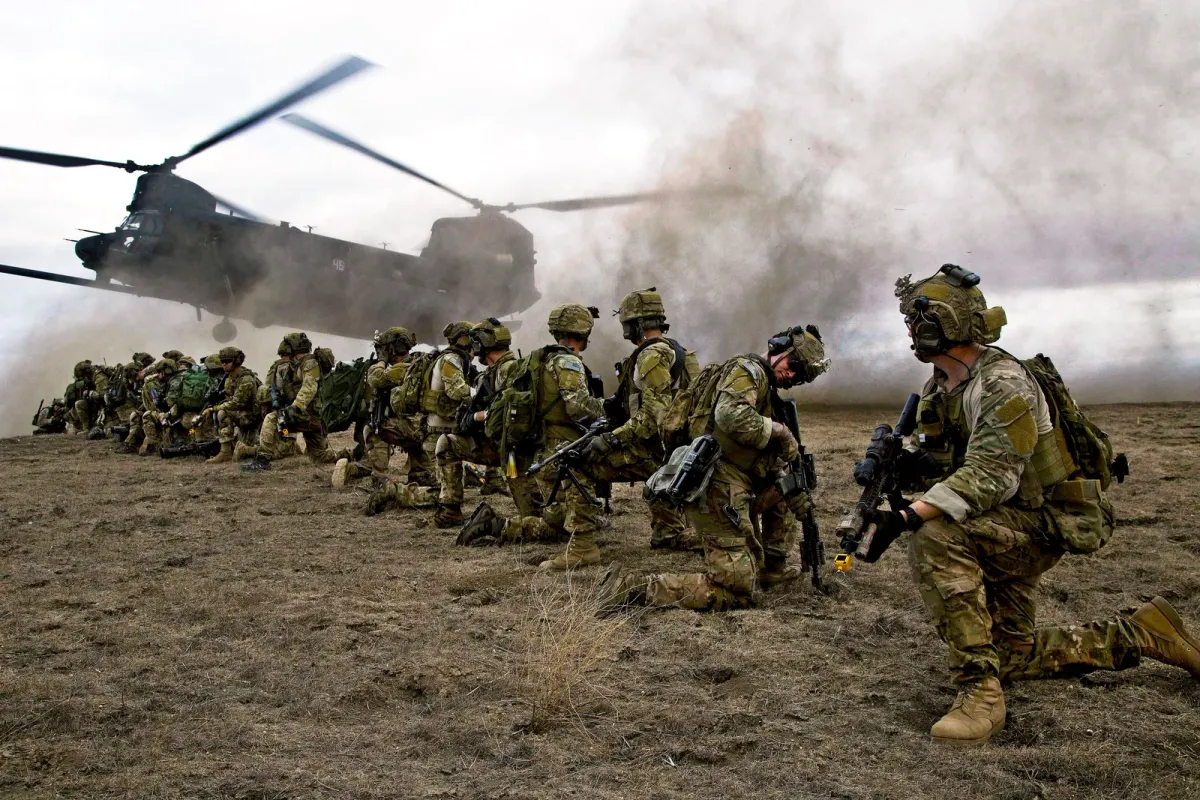
In today's Army, the word Ranger has two meanings that are easy to mix up. It can mean a soldier serving in the 75th Ranger Regiment, the Army's special operations raid force. It can also mean a soldier who has passed Ranger School, the Army's demanding course in small-unit leadership, and earned the right to wear the Ranger tab. Many soldiers are both, but not all.
The 75th Ranger Regiment Today
The 75th Ranger Regiment belongs to U.S. Army Special Operations Command and is based at Fort Benning, Georgia. It has five battalions:
- 1st Battalion, at Hunter Army Airfield, Georgia
- 2nd Battalion, at Joint Base Lewis-McChord, Washington
- 3rd Battalion, at Fort Benning
- the Regimental Special Troops Battalion, at Fort Benning
- the Military Intelligence Battalion, at Fort Benning
The three numbered battalions are rifle battalions; the other two provide reconnaissance, intelligence, communications, training and support. Not every Ranger is an infantryman; medics, radio operators and other specialists serve too.
The Army calls the regiment its leading force for direct-action raids, with three main kinds of missions:
- Raids: striking a specific target, often at night and deep in hostile territory.
- Forcible entry: seizing ground, often an enemy airfield, so that follow-on forces can land.
- Special reconnaissance: quietly watching enemy forces and gathering information.
Rangers can arrive by land, sea or air and can operate as a single squad or a whole regiment. To stay ready, they train constantly in what the regiment calls its Big Five: marksmanship, physical training, medical skills, small-unit tactics and mobility.
Joining the Regiment: RASP
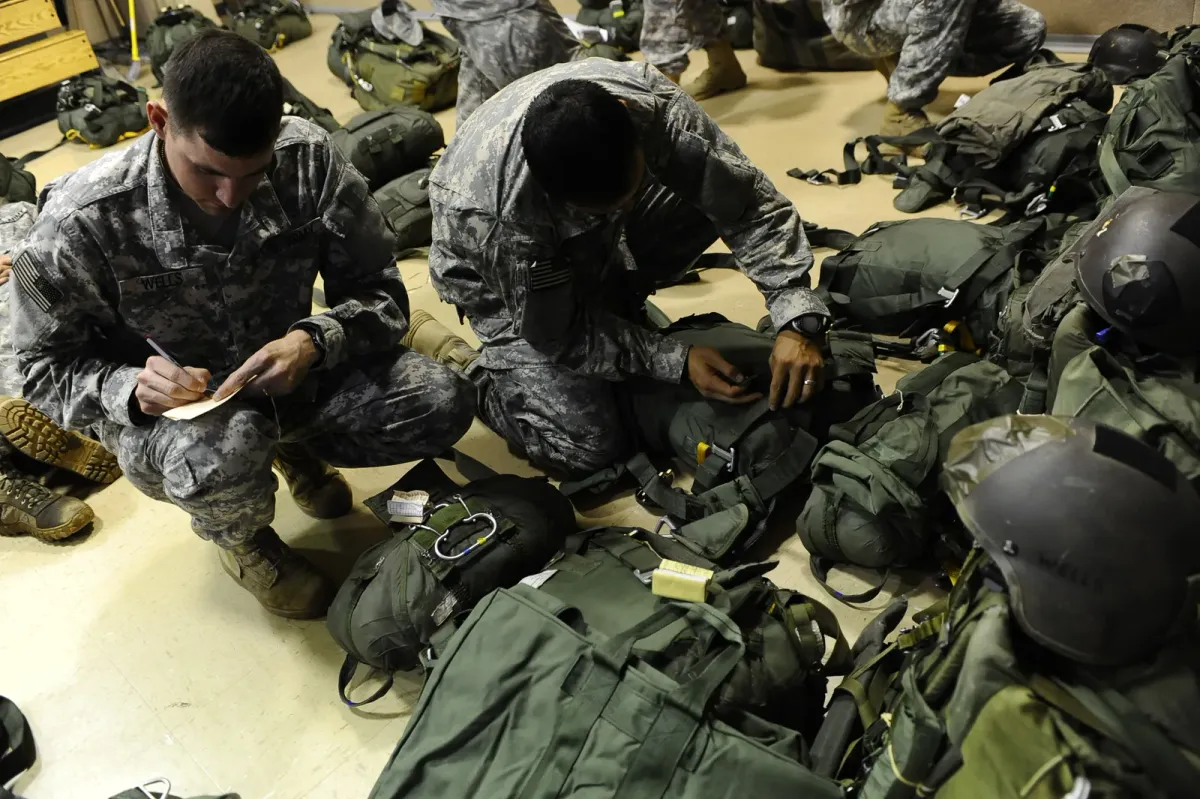
Every member of the 75th is a volunteer, and only active-duty soldiers are accepted. A recruit can enlist under an Option 40 contract, which offers a chance to try out after basic and job training; soldiers already serving can apply too. Candidates must be U.S. citizens, be eligible for a secret clearance and pass a fitness screening.
The tryout, the Ranger Assessment and Selection Program (RASP), comes in two versions:
- RASP 1 is for privates through sergeants and lasts about eight weeks at Fort Benning. The first five weeks are mostly assessment: fitness tests, a 12-mile march with a 35-pound pack, land navigation, combat first aid, and tests on Ranger standards and history. The last three weeks teach marksmanship, explosives, and tactics for raids and airfield seizures.
- RASP 2 is a three-week course for staff sergeants and above, warrant officers and officers. It assesses experienced leaders and teaches them how the regiment operates.
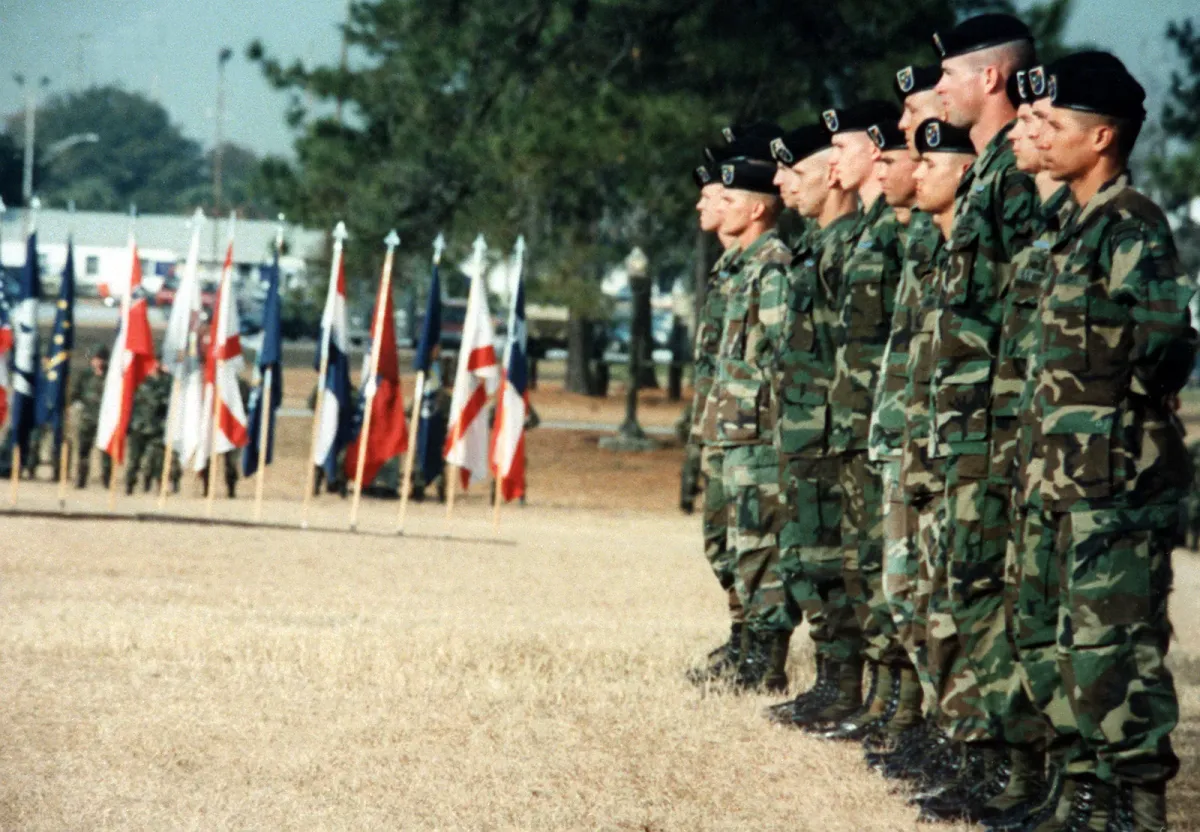
Graduates receive the regiment's tan beret and its shoulder insignia, called the scroll. Those who are not yet paratroopers also attend the Army's Basic Airborne Course. Many who start do not finish: in one RASP 1 class the Army described in 2016, 42 of 116 graduated.
Ranger School and the Ranger Tab
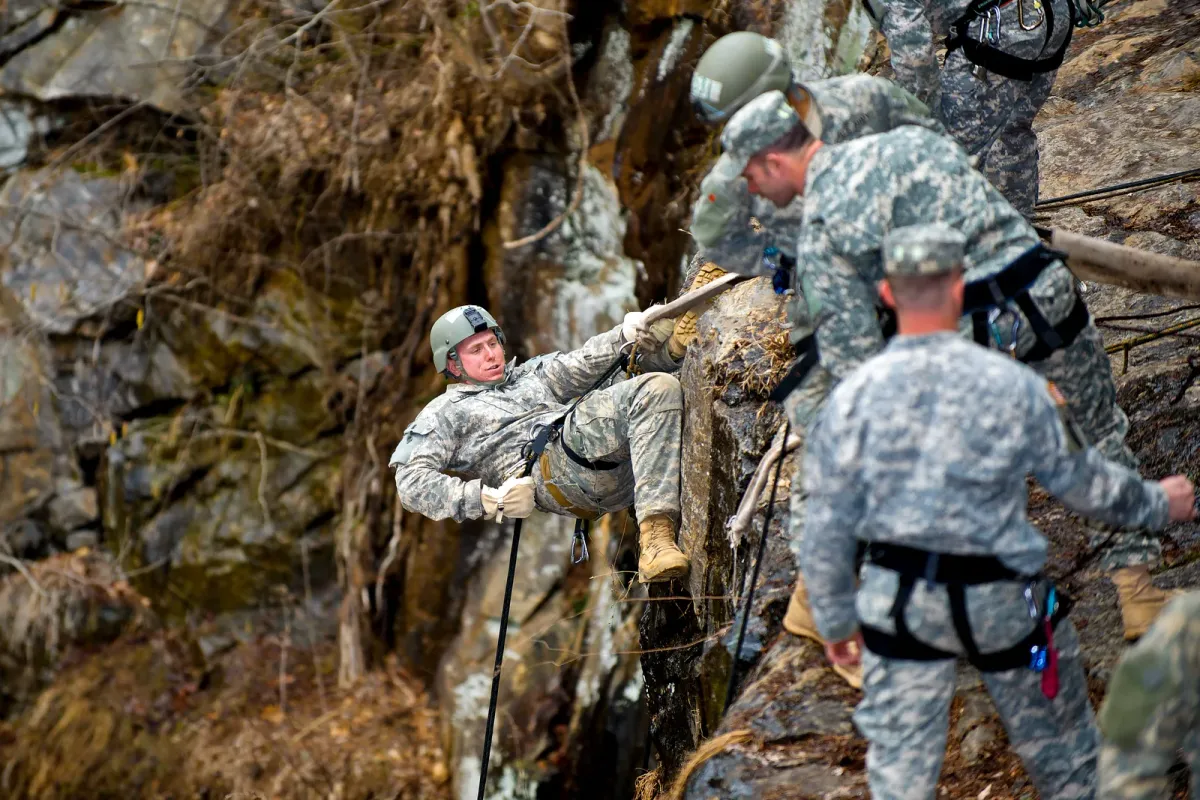
Ranger School is a separate program, run by the Army's Airborne and Ranger Training Brigade rather than the regiment. It is above all a leadership school. Students take turns leading squads and platoons on long patrols, on little food and sleep, while instructors grade how well they plan and lead under strain. It is open to soldiers across the Army and to other services.
The course runs about two months in three phases:
- Darby Phase, at Fort Benning, opens with a week of physical tests and a 12-mile foot march. Typically only about half of a class passes it.
- Mountain Phase, at Camp Frank D. Merrill near Dahlonega, Georgia, adds military mountaineering and days of nonstop platoon patrols.
- Florida Phase, at Camp James E. Rudder on Eglin Air Force Base, covers swamp and waterborne operations.
In 2014, fewer than half of the roughly 4,000 soldiers who tried earned the Ranger tab, a small cloth tab bearing the word RANGER that the Army first approved in 1950. On August 21, 2015, Capt. Kristen Griest and 1st Lt. Shaye Haver became the first women to earn it.
Tab or Scroll: What Is the Difference?
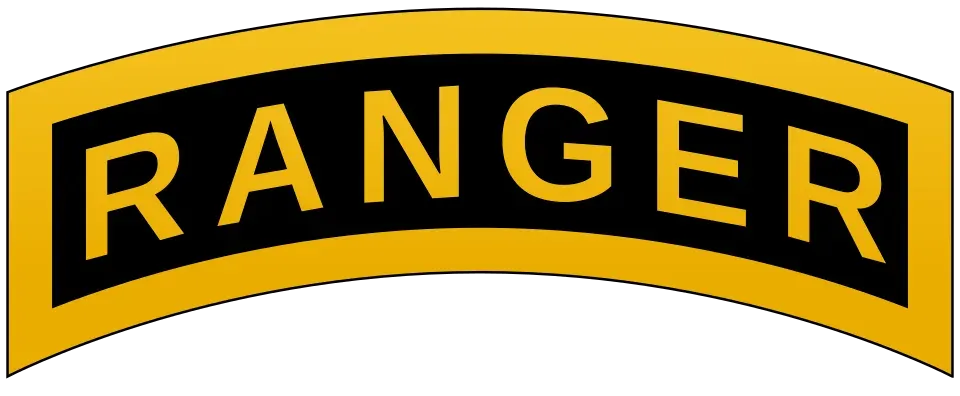
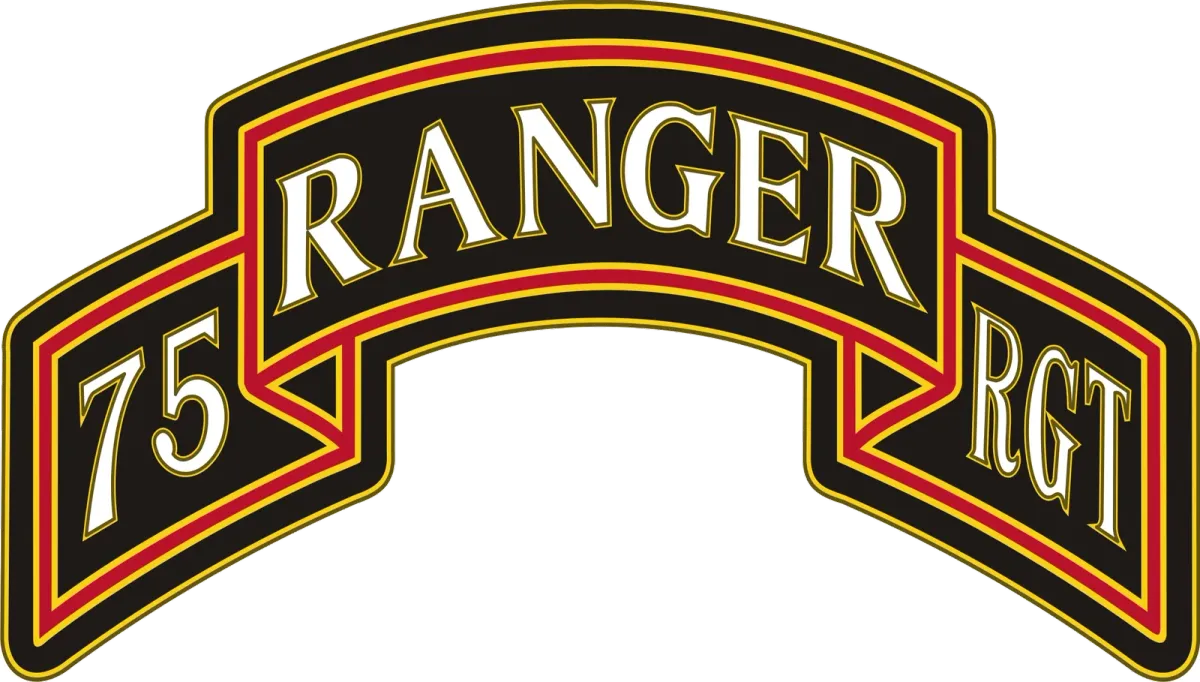
The tab shows that a soldier completed a course, Ranger School. The scroll and tan beret show that a soldier passed RASP and serves in a unit, the 75th Ranger Regiment. An infantry officer in a regular division may wear the tab without ever joining the regiment, and a young Ranger may wear the scroll before attending Ranger School. The paths often meet: the school is not required to join, but the regiment's leaders are expected to earn the tab, so many longtime Rangers wear both.
The Ranger Creed and the Motto
The Ranger Creed was written in 1974 by Command Sgt. Maj. Neal R. Gentry, the senior enlisted leader of the newly re-formed 1st Ranger Battalion. Its six short paragraphs begin with letters that spell R-A-N-G-E-R. In it, a Ranger pledges to carry more than a fair share, never to fail fellow Rangers or leave a fallen comrade behind, and to finish the mission even alone. Its best-known line is short: "Surrender is not a Ranger word." Rangers recite the creed at formations, ceremonies and graduations.
The motto, "Rangers lead the way," dates from D-Day. Army histories trace it to Omaha Beach on June 6, 1944, where Brig. Gen. Norman Cota of the 29th Infantry Division, trying to get soldiers pinned behind a seawall moving inland, called on the Rangers there to take the lead.
A Short History
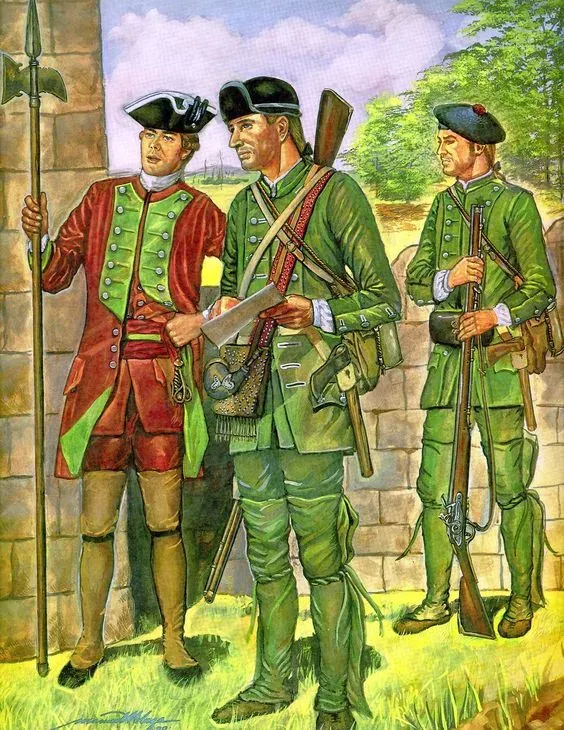
Early rangers. Colonial rangers scouted and raided along the frontier before the United States existed. During King Philip's War in 1675 and 1676, Capt. Benjamin Church of Plymouth Colony led a company of colonists and allied Native warriors that is often called the first American ranger company. Maj. Robert Rogers led rangers for the British in the French and Indian War during the 1750s, and a version of his rules for patrolling is still printed in the Army's Ranger Handbook.
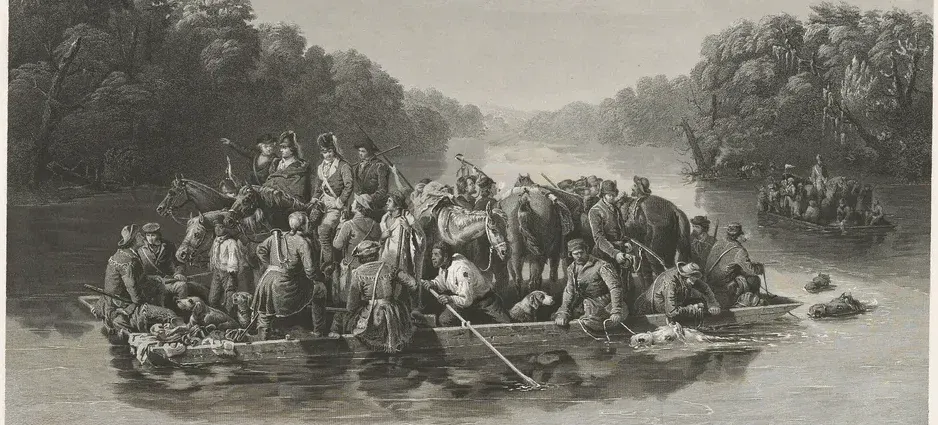
Revolution to Civil War. In 1775, the Continental Congress raised companies of expert riflemen, many of them frontiersmen. In 1777, Col. Daniel Morgan's riflemen, known as the Corps of Rangers, helped the Americans win at Saratoga. In South Carolina, Francis Marion, the "Swamp Fox," led partisans who raided British supply lines and slipped back into the swamps. In the War of 1812, companies of rangers patrolled the frontier from Ohio to Illinois on horseback and by boat. The ranger tradition carried into the Civil War; on the Confederate side, John S. Mosby's partisan rangers raided Union supply lines in northern Virginia.
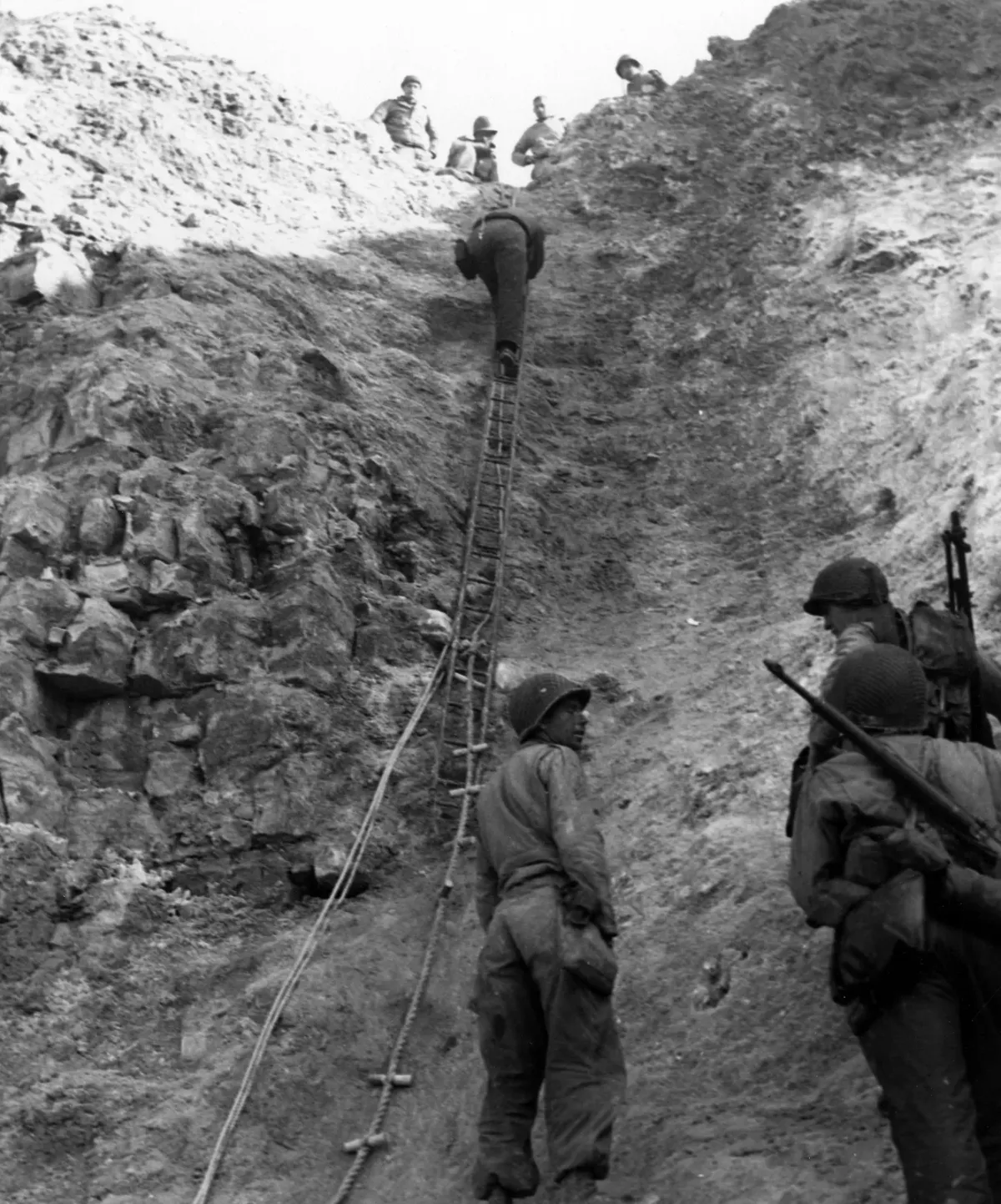
World War II. On June 19, 1942, Maj. William O. Darby activated the 1st Ranger Battalion in Northern Ireland, and six numbered Ranger battalions served in the war. Darby's Rangers helped lead landings in North Africa, Sicily and Italy. On D-Day, three companies of the 2nd Ranger Battalion under Lt. Col. James E. Rudder climbed the 100-foot cliffs at Pointe du Hoc under fire. The Germans had moved the guns inland, but the Rangers found and destroyed them, then held on through two days of counterattacks. Of about 225 men in the assault, only about 90 could still fight when relief came on June 8. In January 1945, the 6th Ranger Battalion led a raid in the Philippines that freed more than 500 prisoners of war near Cabanatuan. In Burma, Merrill's Marauders fought far behind Japanese lines; today's regiment carries the number 75 because its line of descent runs through that unit.
Korea and Vietnam. In September 1950, the Army opened a Ranger Training Center at Fort Benning and formed airborne Ranger companies, six of which fought in Korea. In March 1951, two of them made the first combat parachute assault by an Army Ranger unit. One, the 2nd Company, was formed from Black paratroopers in an Army that was only beginning to integrate. The companies were inactivated in 1951, but the training center lived on and grew into the brigade that runs Ranger School today. In 1969, the Army's long-range patrol units became lettered Ranger companies of the 75th Infantry, and thirteen of them served in Vietnam until 1972.
The modern regiment. In 1974, at the direction of Army Chief of Staff Gen. Creighton Abrams, the Army formed the 1st and 2nd Ranger Battalions. In April 1980, Rangers of the 1st Battalion joined the attempt to rescue American hostages in Tehran. Some guarded Desert One, a refueling site in the Iranian desert; others were to seize an airfield for the escape. Helicopter breakdowns ended the mission there, and eight servicemen died in a collision during the withdrawal. The failure helped lead to new special operations organizations: the Joint Special Operations Command, formed that December; an Army aviation unit that became the 160th Special Operations Aviation Regiment; and, in 1987, U.S. Special Operations Command.
Grenada and Panama. On October 25, 1983, Rangers from both battalions parachuted onto the Point Salines airfield in Grenada and rescued American medical students nearby. A 3rd Battalion and regimental headquarters followed in 1984, and the name 75th Ranger Regiment came in 1986. On December 20, 1989, all three battalions jumped at night to help open Operation Just Cause, the U.S. invasion of Panama. Shortly after 1 a.m., the 1st Battalion and a company of the 3rd parachuted from about 500 feet onto the Torrijos-Tocumen airport complex near Panama City and secured it for paratroopers of the 82nd Airborne Division who followed. The 2nd Battalion and the rest of the 3rd, with the regimental commander and a small headquarters, seized the Panama Defense Forces airfield and base at Rio Hato. Five Rangers were killed and about 35 wounded. By the Army's count, the regiment captured more than 1,000 prisoners during the operation.
Somalia. In Mogadishu on October 3, 1993, a raid by Rangers and other special operations troops turned into an all-night battle after two Black Hawk helicopters were shot down; eighteen Americans were killed.
After September 11. On October 19, 2001, 199 Rangers parachuted into southern Afghanistan to seize an objective code-named Rhino. In March 2003, Rangers made the first airborne assault of the Iraq war. By 2020 the regiment had kept forces deployed without a break since October 2001. Many Rangers served tour after tour, and many did not come home.