
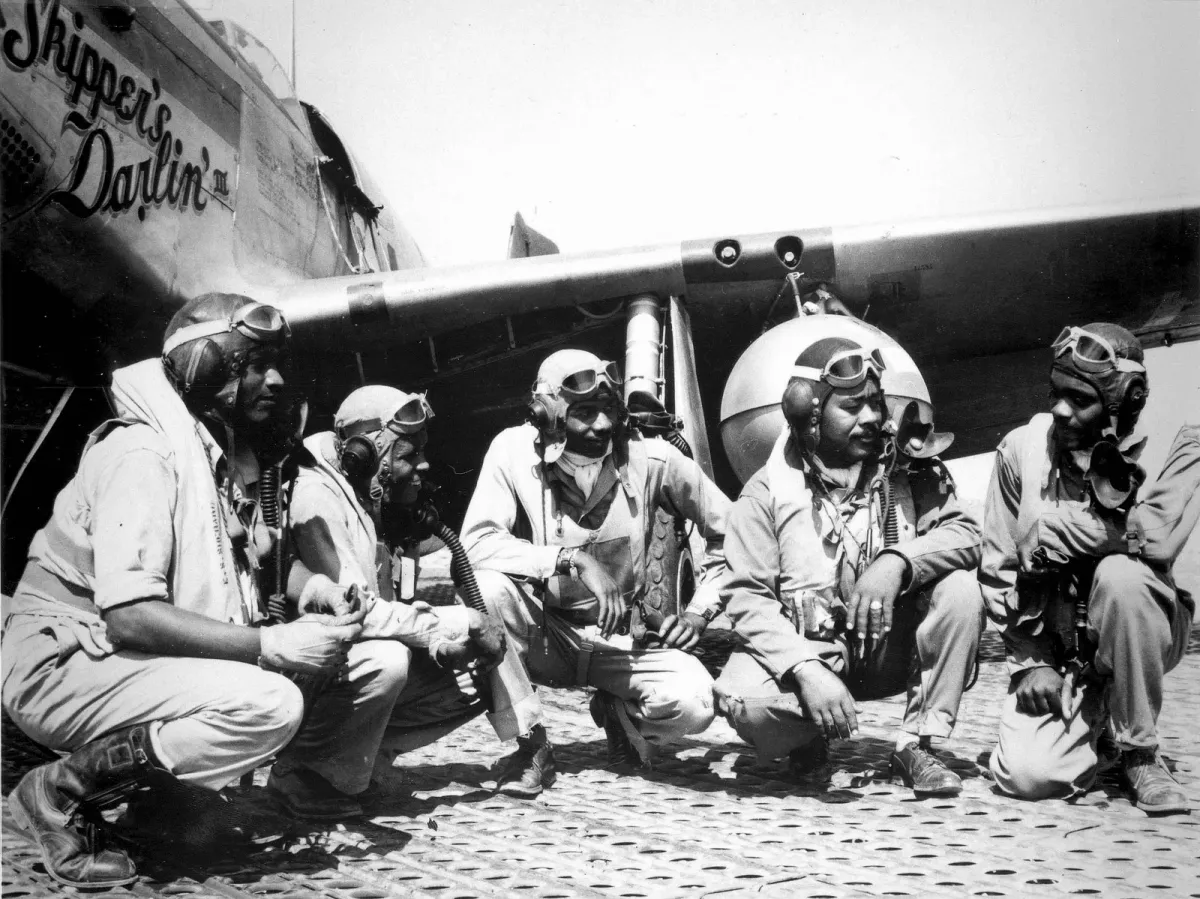
In July 1942, several hundred family members and friends filled the post theater at Tuskegee Army Air Field in Alabama to watch a class of young Black men receive their pilot's wings. The speaker, Lt. Col. Benjamin O. Davis Jr., had earned his own wings there four months earlier. He told the graduates their real work was just beginning, and that they carried an extra burden: proving that "as military pilots you are as good as any in the world."
Everyone we now call the Tuskegee Airmen shared that burden: the nearly 1,000 pilots trained there in World War II and the mechanics, parachute riggers, nurses, clerks and cooks, men and women alike, who kept them flying.
A Door Held Shut
Before 1940, Black Americans could not fly for the U.S. military. The Army and its Air Corps were segregated, and a 1925 War Department study had argued that Black soldiers could not operate complicated equipment like warplanes. Black newspapers, civil rights groups and colleges pushed for a chance to prove otherwise.
With war looming in Europe, the government created a Civilian Pilot Training Program, and Tuskegee Institute, the Alabama college founded by Booker T. Washington, joined it. A 1940 draft law barred racial discrimination, and on January 16, 1941, the War Department announced a Black fighter unit, the 99th Pursuit Squadron, to be trained at Tuskegee. That March, First Lady Eleanor Roosevelt visited and took a flight with Tuskegee's chief instructor, Charles Alfred "Chief" Anderson. The ride drew wide attention, and Mrs. Roosevelt helped secure Rosenwald Fund money for the school's new airfield.
Learning to Fly in Alabama
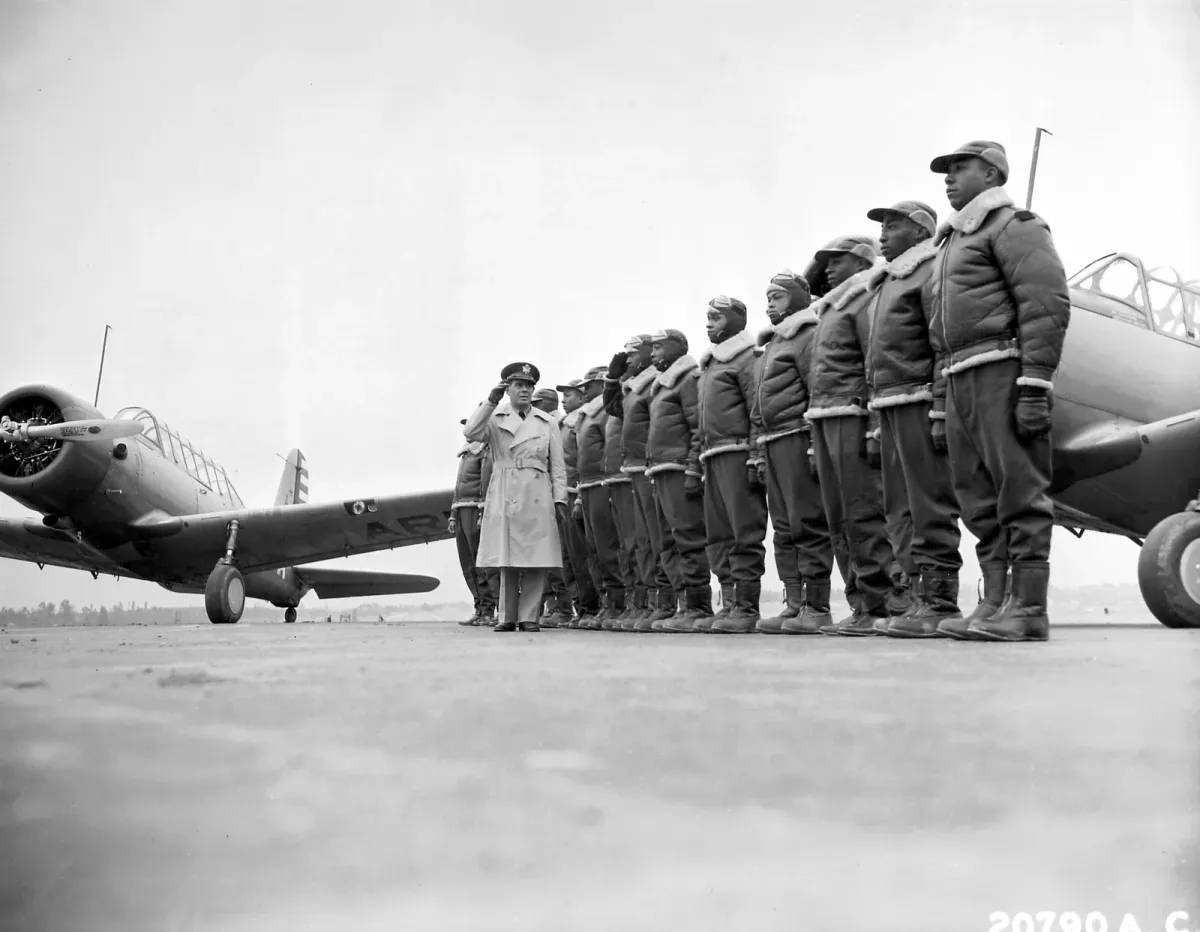
The first class of 13 men began on July 19, 1941: twelve cadets and Capt. Benjamin O. Davis Jr., a West Point graduate whose father had become the Army's first Black general the year before. On March 7, 1942, five of them earned their wings: Davis, Lemuel Custis, Charles DeBow, Mac Ross and George Roberts.
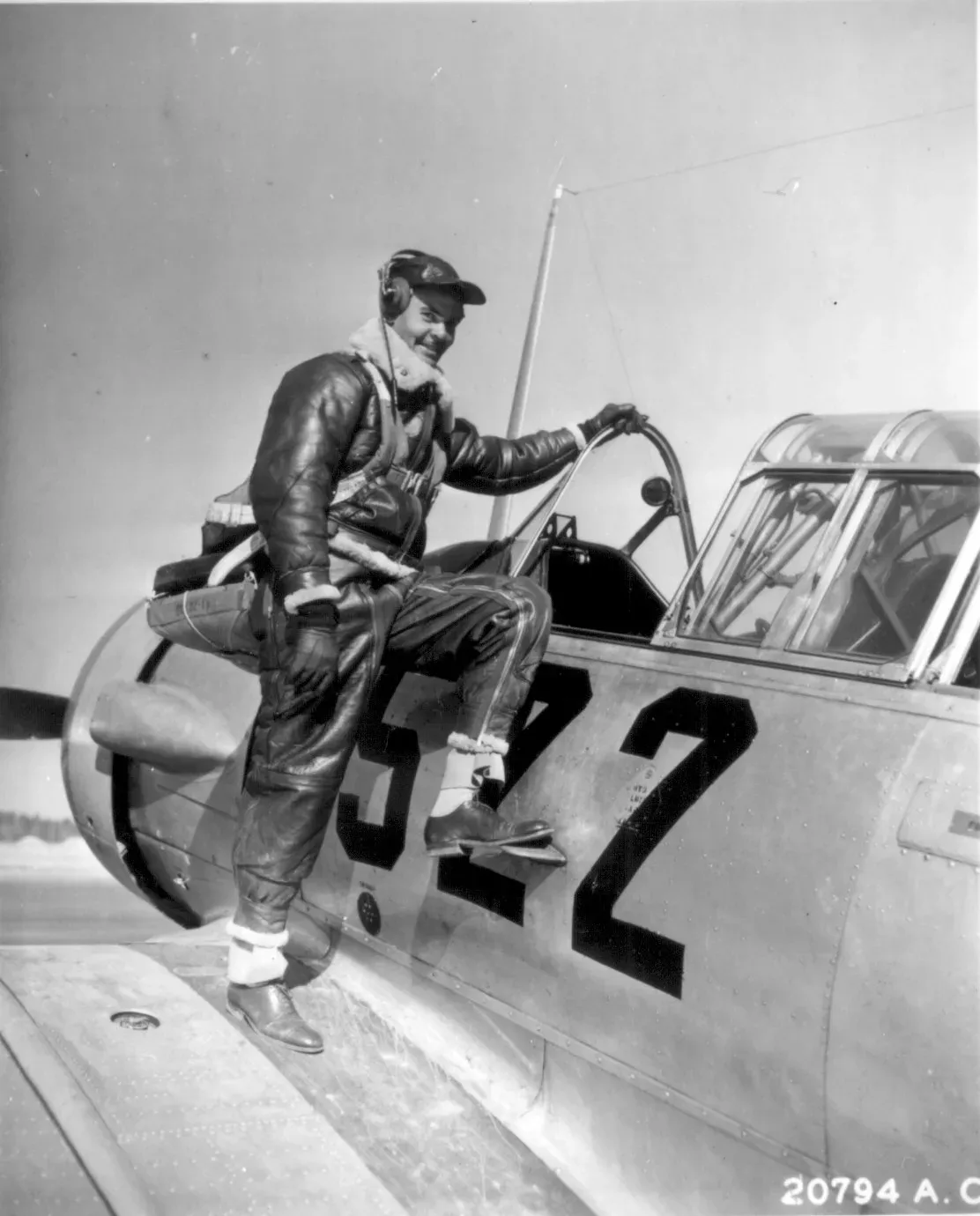
The institute's own students and faculty built an airfield, Moton Field, where civilian instructors gave nearly 1,000 future pilots primary flight training in Stearman biplanes and PT-19 trainers. Those who passed moved a few miles away to Tuskegee Army Air Field for basic and advanced training. Of 2,483 men who entered the pilot program, 994 earned wings, according to the National Park Service.
Off the flight line, trainees lived under Jim Crow segregation. One cadet, Harry Leavell, later recalled that trainees knew to be out of the town of Tuskegee by 11 at night. On base, Noel Parrish, the white officer who commanded the field for most of the war, earned his trainees' respect and eased segregation; in 1944, when Black officers challenged the post restaurant's whites-only section, he opened it to all.
More Than Pilots
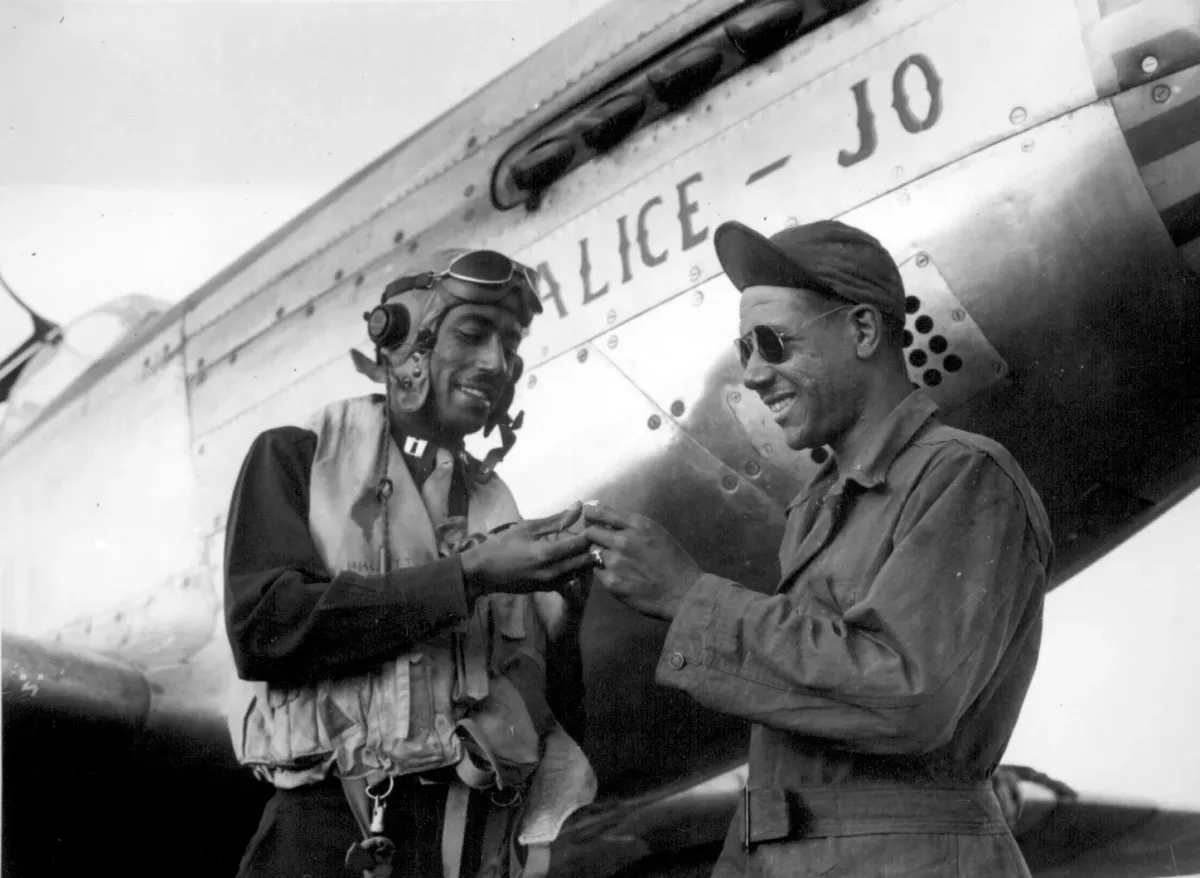
The first Tuskegee Airmen to start training never sat in a cockpit. In March 1941, Black enlisted men began learning aircraft maintenance at Chanute Field, Illinois, where the 99th was activated that month. Armorers, radio operators, weather forecasters, clerks, cooks and firefighters followed, more than 10,000 Black military and civilian men and women in all, according to the National Park Service.
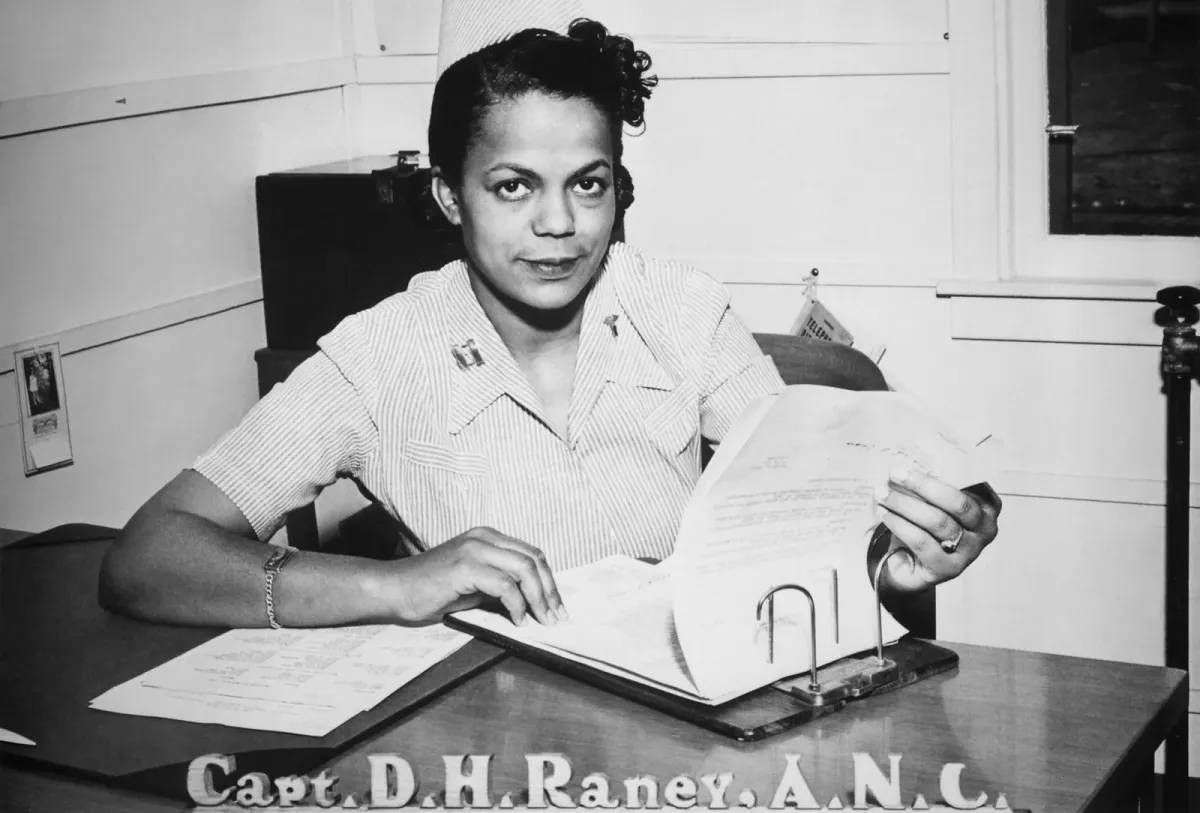
Women worked as mechanics, control tower operators, clerks and parachute riggers; three women riggers taught hundreds of cadets to pack and care for the parachutes that might save their lives. Gertrude Anderson took over running Kennedy Field, where Tuskegee's civilian flight program began. In 1942, Lt. Della Raney, a nurse at the Tuskegee Army Air Field hospital, became the first Black chief nurse in the Army Nurse Corps. She later retired as a major.
The 99th Goes to War
In April 1943 the 99th Fighter Squadron sailed for North Africa with Davis in command. Flying P-40 Warhawks, it flew its first combat mission on June 2, 1943, against the Italian island of Pantelleria. On July 2, on a mission to Sicily, 1st Lt. Charles B. Hall shot down a German FW 190, the first aerial victory by a Tuskegee Airman. The same day, Lts. Sherman White and James McCullin became the squadron's first pilots lost in combat.
The squadron had no combat veterans to learn from, and in September 1943 senior commanders in the theater called its performance poor and urged moving it to coastal patrol. Davis defended his men before a War Department committee in October. The 99th stayed in the fight, and on January 27 and 28, 1944, its pilots shot down 13 German aircraft over the Allied beachhead at Anzio, Italy.
The Red Tails
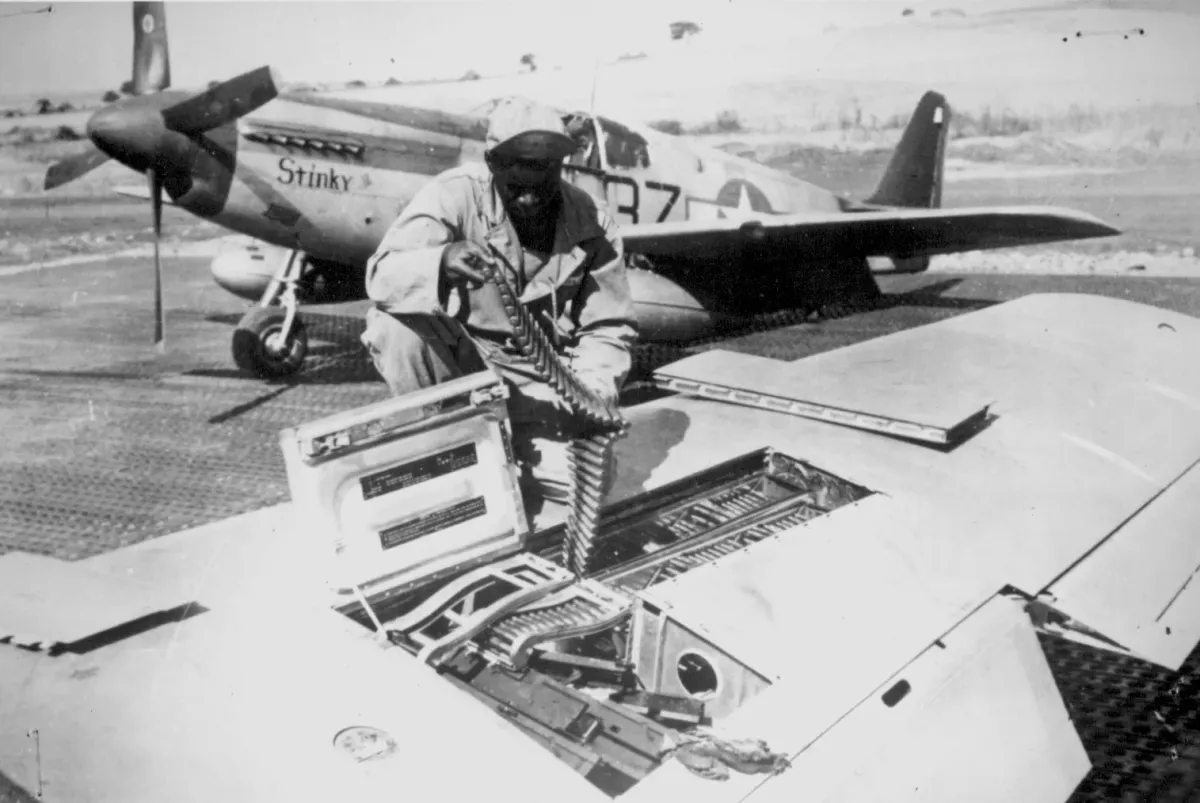
Davis came home to command the 332nd Fighter Group and took it to Italy in early 1944. The group switched to P-51 Mustangs in July 1944, and the 99th joined it at Ramitelli Airfield on the Adriatic coast. Tails painted bright red for quick recognition gave them their nickname, the Red Tails. Their main job was guarding heavy bombers on long raids across central and southern Europe.
By the end of the war in Europe, the group had flown at least 311 missions for the Fifteenth Air Force, 179 of them as bomber escorts. On March 24, 1945, its Mustangs helped escort B-17s to Berlin, the Fifteenth Air Force's longest mission of the war. Lts. Roscoe Brown, Earl Lane and Charles Brantley each shot down one of Germany's new Me 262 jets, and the group earned a Distinguished Unit Citation. Ground crews made that day possible: when long-range fuel tanks ran short, the 366th Air Service Squadron found enough for the trip.
Setting the Record Straight
In March 1945, Liberty magazine and the Chicago Defender reported that the Tuskegee fighters had never lost a bomber they escorted. The claim was repeated for decades, but Air Force Historical Research Agency historians, checking mission reports and missing air crew reports, found it was not true. Enemy fighters shot down 27 bombers from formations the 332nd was assigned to protect, on 7 of its 179 escort missions. The Fifteenth Air Force's other six fighter groups lost an average of 46 each.
In all, Tuskegee Airmen were credited with 112 aerial victories, and members of the 332nd earned 96 Distinguished Flying Crosses. The cost was real: dozens of pilots were killed in combat or accidents, and more than 30 became prisoners of war.
Standing Up at Freeman Field
The 477th Bombardment Group, a Black B-25 bomber unit, never saw combat but fought a key battle at home. Army rules required officers' clubs to be open to all officers on a post, yet at Freeman Field, Indiana, in 1945, the white commander labeled Black officers trainees and white officers instructors, and gave each group its own club.
Beginning on April 5, 1945, Black officers walked into the white club in small groups, and about 60 were arrested. Ordered to sign a statement accepting the rules, about 100 Black officers refused and were also arrested. Public pressure won their release later that month. Only Lt. Roger Terry was convicted, on a charge of jostling; in 1995 the Air Force set aside his conviction and began clearing the officers' records. Historians see it as an early model for the peaceful sit-ins of the civil rights era.
Opening the Ranks
The Airmen came home to a military that was still segregated. On July 26, 1948, President Harry S. Truman signed Executive Order 9981, which promised "equality of treatment and opportunity for all persons in the armed services." The new U.S. Air Force, a separate service since 1947, moved first: in May 1949 it opened every unit to qualified Airmen regardless of race. On July 1, 1949, the 332nd was inactivated and its members went to newly integrated units.
Davis became the Air Force's first Black general in 1954, and in 1998 President Bill Clinton pinned on his fourth star. Daniel "Chappie" James Jr., who learned to fly at Tuskegee and stayed on as an instructor, became the first Black four-star general in the U.S. military in 1975.
Honors and Remembrance
In 2006 Congress voted to award the Tuskegee Airmen, as a group, a single Congressional Gold Medal. At the presentation in the Capitol Rotunda on March 29, 2007, President George W. Bush saluted the Airmen to make up for salutes that had gone unreturned, and Roscoe Brown, one of the Berlin jet victors, spoke for them. The medal shows an officer, a mechanic and a pilot in profile; the original is at the Smithsonian Institution.
Moton Field is now the Tuskegee Airmen National Historic Site, created by law on November 6, 1998, and run by the National Park Service. One hangar tells the story of the support staff and holds a Stearman trainer; another holds a replica red-tailed P-51 Mustang and the pilots' stories.
The Tuskegee Airmen asked for a fair chance to serve. What they did with it, in the cockpit, on the flight line, in the hospital and at the door of an officers' club, helped open the armed forces to every American who came after them.