For most of American history, a woman who wanted to serve in uniform had only one path officially open to her: nursing. The Army Nurse Corps dated from 1901 and the Navy Nurse Corps from 1908, but every other door stayed shut. Over the next century those doors opened one at a time, usually because one woman walked through first and showed she belonged there.
Behind each name below stand thousands of women whose service was just as real.
1917 to 1918: The First Enlisted Women
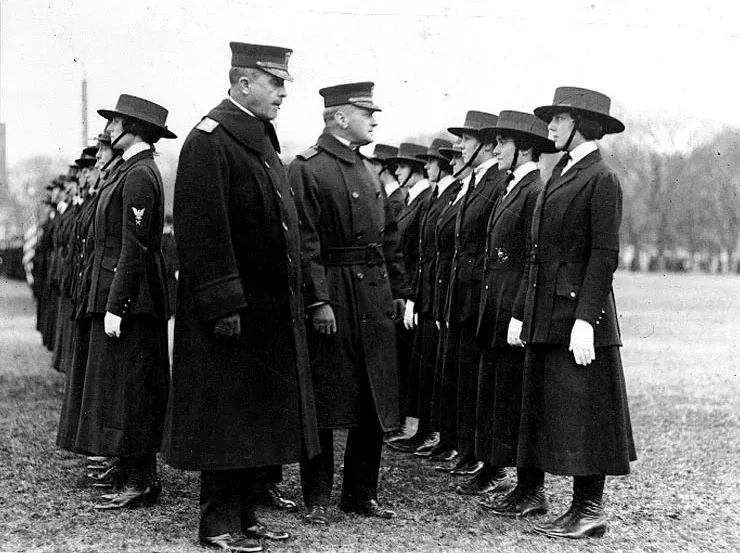
In early 1917, with war approaching, the Navy needed more clerks than the Civil Service could supply. Navy lawyers found nothing in the Naval Reserve law limiting it to men, so Secretary Josephus Daniels opened enlistment to women, announcing it on March 19. Loretta Walsh, a civilian clerk at a Philadelphia recruiting office, signed up first. On March 21 she was sworn in as a chief yeoman, the Navy's first woman petty officer.
More than 11,000 women followed as Yeomen (F), the letter marking them as female. Most handled paperwork; others worked as translators, draftsmen and designers of ship camouflage. They drew the same pay as men of the same rate.
On August 13, 1918, Opha May Johnson, a 40-year-old government clerk, stood first in line at a Washington recruiting office and became the first woman to enlist in the Marine Corps Reserve. About 300 more women joined before the war ended. Johnson was promoted to sergeant that September, the highest rank any woman Marine then held.
The Hello Girls of the Signal Corps
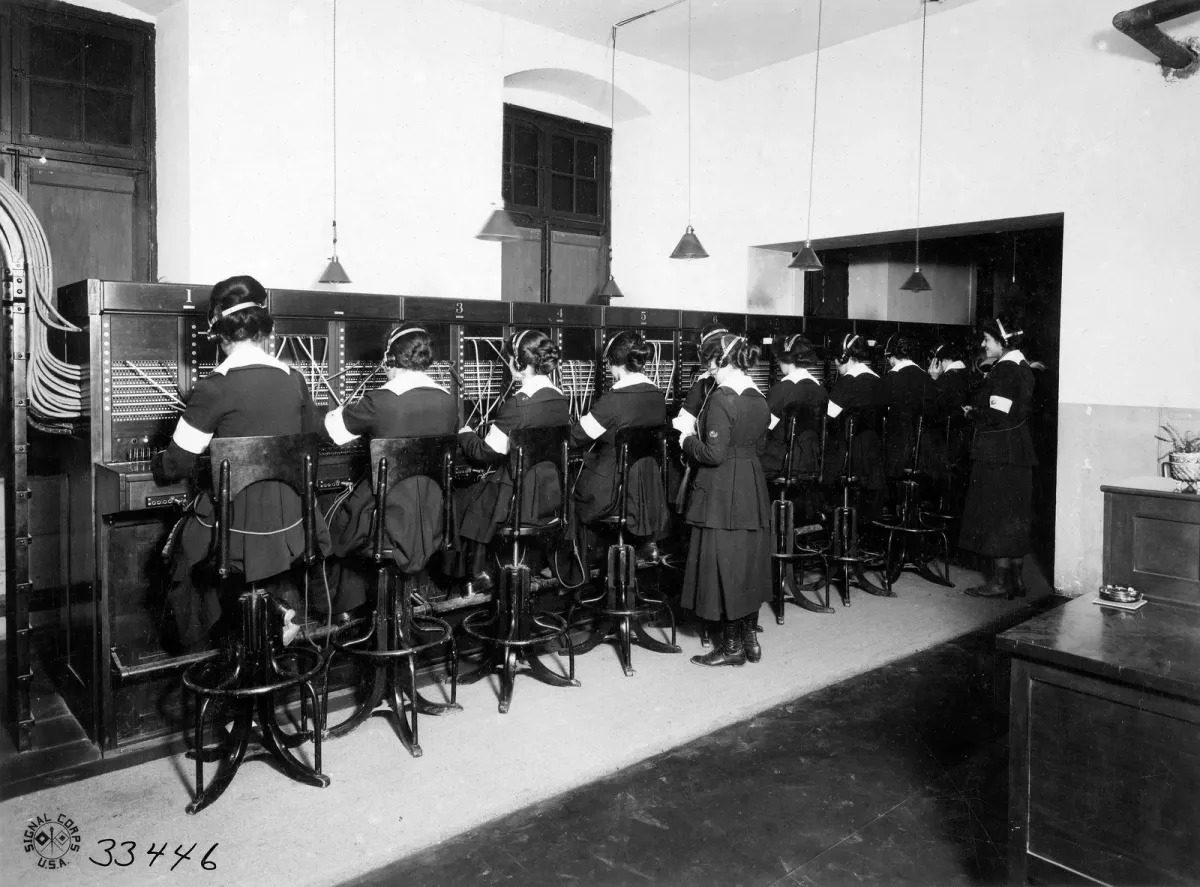
In France, Gen. John J. Pershing needed telephone operators who could switch easily between English and French, and he asked for women. The Army Signal Corps trained several hundred, and more than 200 served overseas beginning in March 1918. Soldiers called them the Hello Girls.
They wore uniforms, drilled and stood inspections. Grace Banker, a former switchboard instructor, led the operators at First Army headquarters during the St. Mihiel and Meuse-Argonne offensives. "My girls work like beavers," she wrote in her diary. She received the Army Distinguished Service Medal.
After the war, the Army ruled that the operators had been civilian employees, with no discharges and no veterans' benefits. Merle Egan Anderson and others pressed Congress for decades. In 1977 President Jimmy Carter signed a law recognizing them as veterans, but by then most of the Hello Girls had died.
Grace Hopper: From the Mark I to the Fleet
World War II brought hundreds of thousands of women into service through the Women's Army Corps, the WAVES, the SPARS, the Marine Corps Women's Reserve and the WASP, each covered in its own article on this site. One WAVES officer helped shape the computer age.
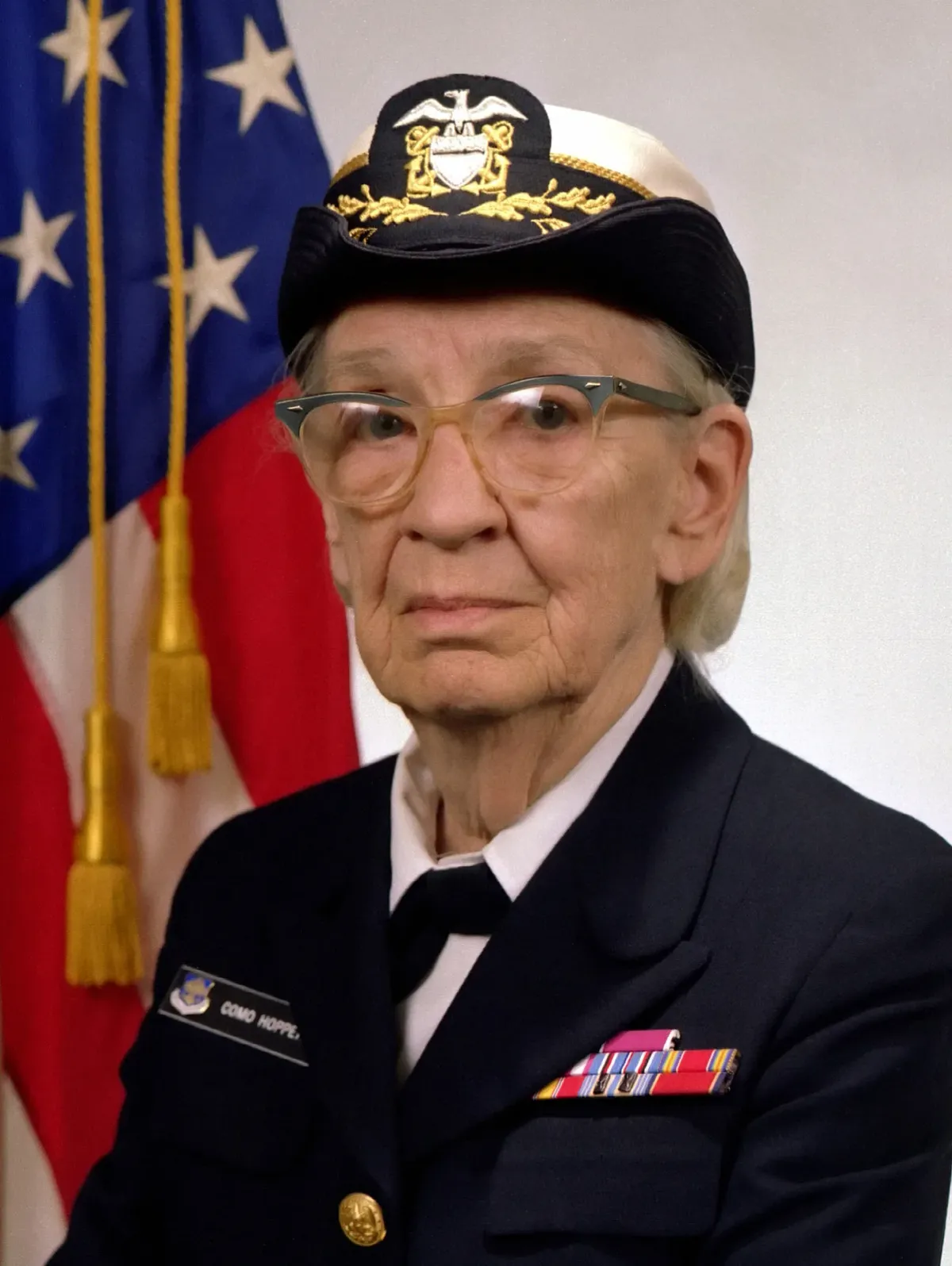
Grace Murray Hopper held a Yale doctorate in mathematics and was teaching at Vassar when she joined the Naval Reserve in December 1943. The Navy sent her to Harvard, where she became one of the first programmers of the Mark I, an early large-scale computer. After the war she helped develop UNIVAC I, wrote the first paper on compilers in 1952, and pushed for programs written in plain English words. Her ideas fed directly into the COBOL language.
In December 1966, having passed the reserve age limit, she was retired, a moment she called "the saddest day of my life." The Navy recalled her in 1967 to standardize its programming languages. She rose to rear admiral and retired in 1986 at age 79, the oldest officer on active duty in the Navy. The destroyer USS Hopper carries her name.
Ruby Bradley: Prisoner of War and Chief Nurse
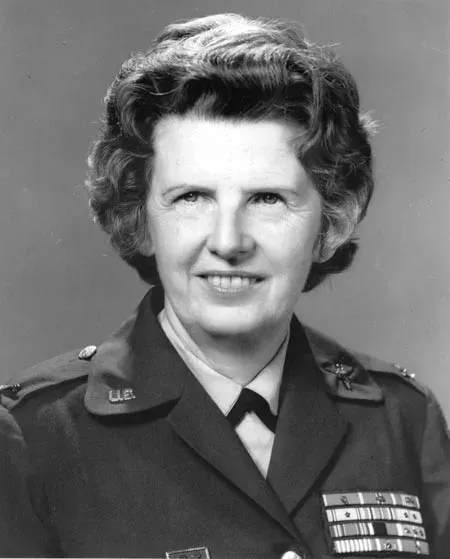
Ruby Bradley, an Army nurse from West Virginia, was serving at Camp John Hay on Luzon when Japan invaded the Philippines. Japanese troops captured her on December 28, 1941. Through more than three years in captivity, from 1943 at the Santo Tomas camp in Manila, she kept nursing. With surgical instruments she had smuggled into the camp, she helped in 230 operations and the births of 13 babies. American troops freed the camp on February 3, 1945.
In Korea she was chief nurse of the 171st Evacuation Hospital. When Chinese forces neared Pyongyang in late 1950, she stayed until her patients were evacuated. She went on to direct more than 500 Army nurses as the Eighth Army's chief nurse. She retired as a colonel in 1963 with 34 medals and citations, one of the most decorated women in Army history.
1948: A Permanent Place
After each world war, most women in uniform had been sent home. In 1948 Congress chose to keep them. On June 12, President Harry S. Truman signed the Women's Armed Services Integration Act, which let women serve in the regular peacetime forces, not only in wartime reserves.
The law had firm limits. Women could make up no more than 2 percent of the force, their promotions were restricted, and they were kept out of combat units and combat aircraft. Congress lifted the 2 percent ceiling and the promotion barriers in 1967. In June 1970, Anna Mae Hays, chief of the Army Nurse Corps, and Elizabeth Hoisington, director of the Women's Army Corps, became the first women to wear a general's star.
1976: The Service Academies Open
On October 7, 1975, President Gerald Ford signed a defense bill opening West Point, Annapolis and the Air Force Academy to women, requiring women to meet essentially the same standards as men. The first women arrived the next summer. The Naval Academy's new class of about 1,300 included 81 women, and West Point's included 119. The first women graduated in 1980, and at West Point 62 of them were commissioned as Army officers.
Darlene Iskra: Command at Sea
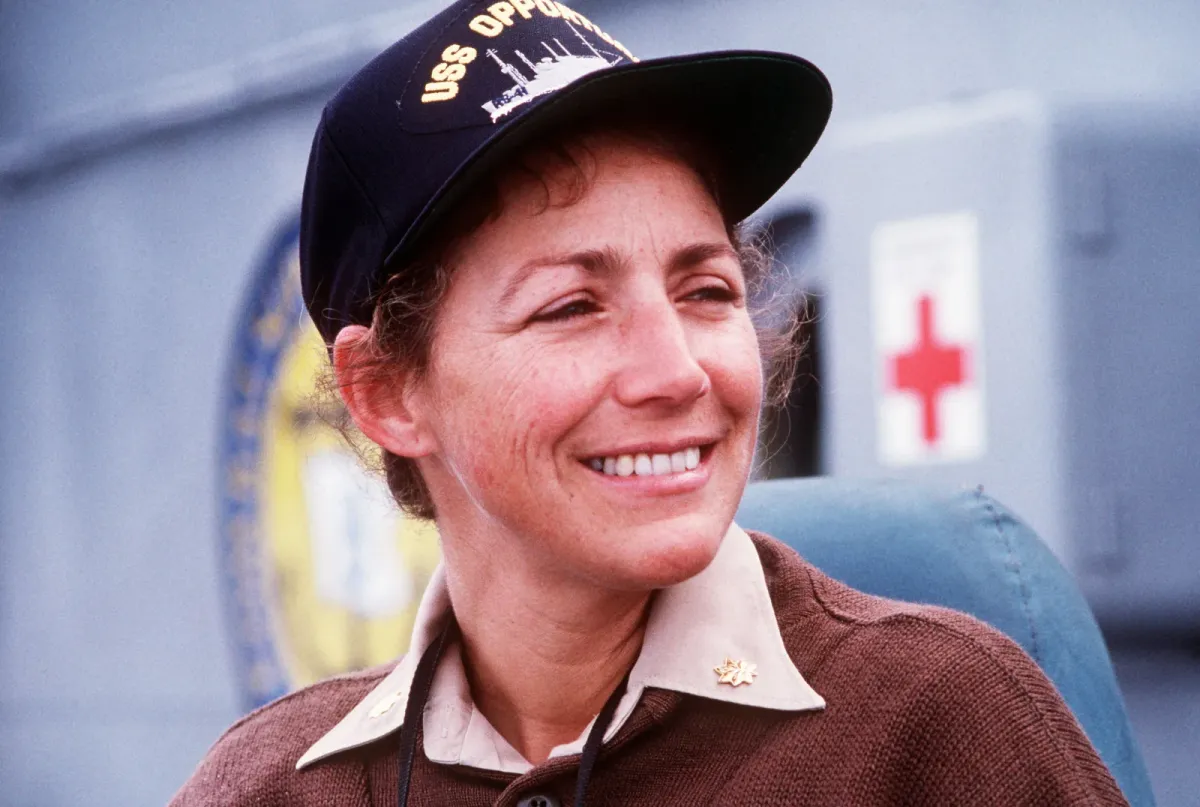
Until 1978, federal law allowed Navy women to serve only on hospital ships and transports. That October, Congress opened other noncombat ships to them. Darlene Iskra joined the Navy the next year, became one of its first three women diving officers, and served on repair and salvage ships. On December 27, 1990, in Naples, Italy, Lt. Cmdr. Iskra took command of the salvage ship USS Opportune, the first woman to command a commissioned U.S. Navy ship. Within weeks the ship was under way in support of Operation Desert Storm. Iskra retired as a commander in 2000.
Martha McSally and Combat Aviation
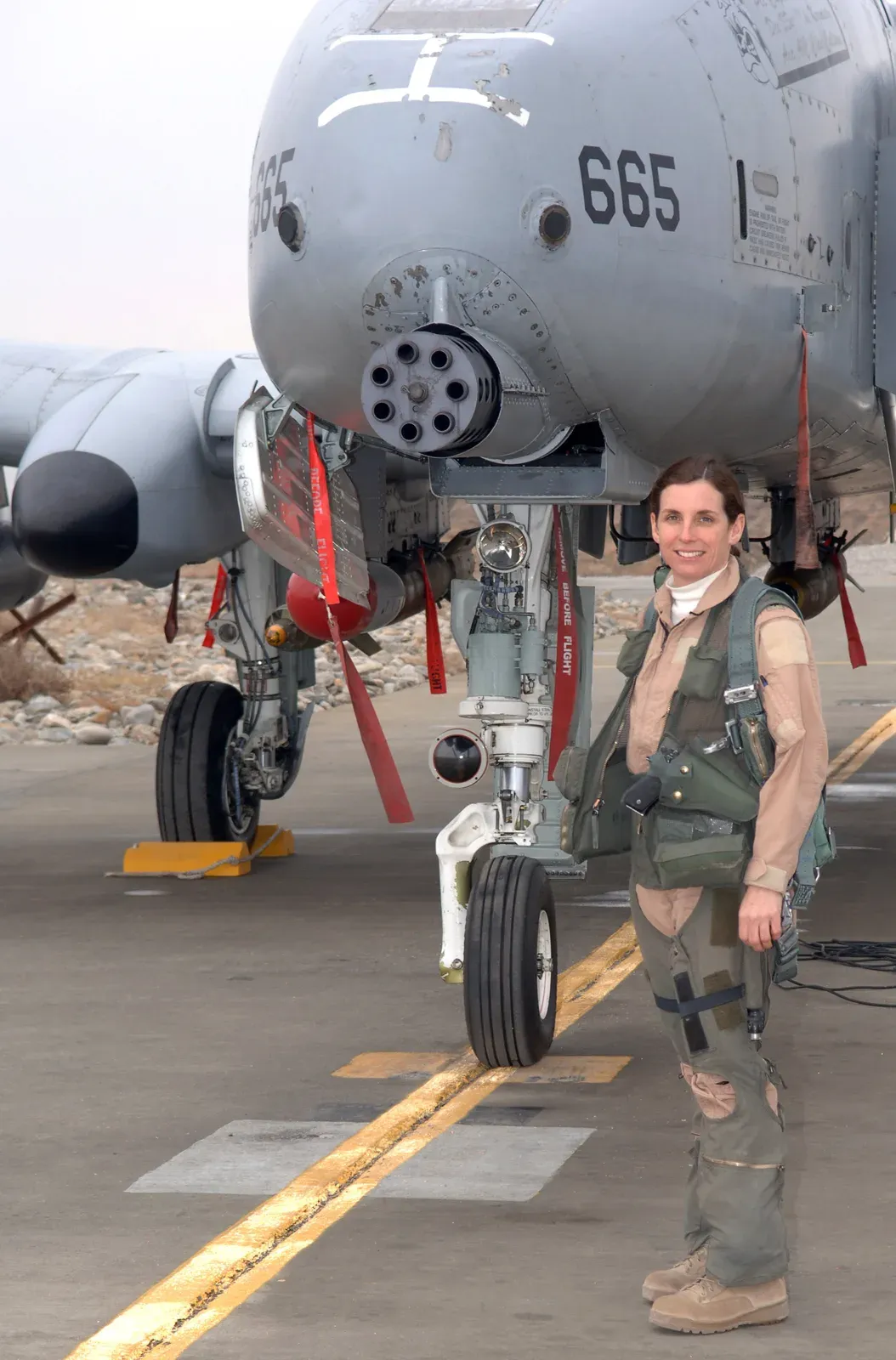
Congress repealed the law keeping women out of combat aircraft in 1991, and on April 28, 1993, Secretary of Defense Les Aspin directed the services to let women fly them. Martha McSally, a 1988 Air Force Academy graduate, was among the first women trained as fighter pilots, flying the A-10 Thunderbolt II.
In January 1995 she deployed to Kuwait and flew missions enforcing the no-fly zone over Iraq, becoming the first woman in the Air Force to fly in combat. In July 2004 she took command of the 354th Fighter Squadron at Davis-Monthan Air Force Base in Arizona, the first woman to command a fighter squadron, and later led it in combat over Afghanistan.
McSally served in the Air Force until 2010. She later represented Arizona in Congress, in the U.S. House of Representatives from 2015 to 2019 and in the U.S. Senate from 2019 to 2020.
Iraq and Afghanistan: No Front Lines
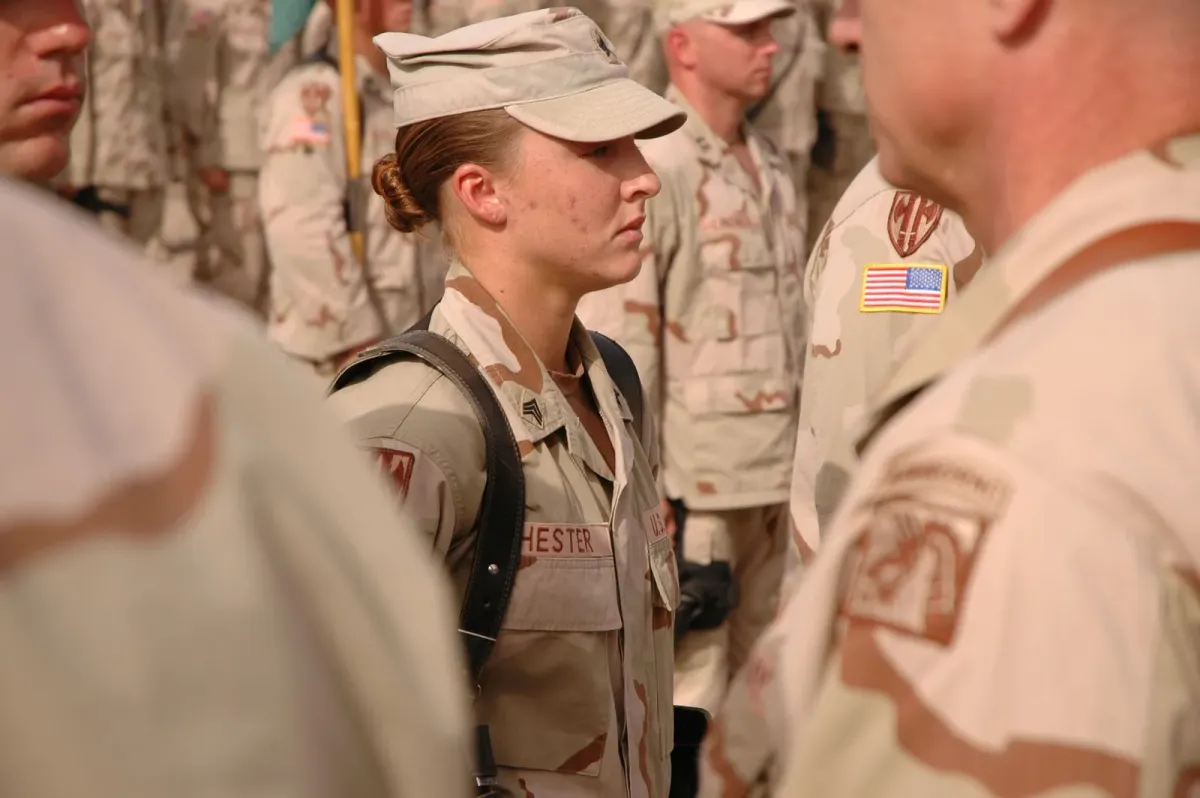
In Iraq and Afghanistan, attacks could come anywhere, and women in support jobs often ended up in combat.
These wars also created work only women could do. Local custom made it unacceptable for male troops to search local women, and insurgents exploited that gap. Marine and Army units formed Lioness teams, volunteer women from many specialties who searched women at Iraqi checkpoints. In Afghanistan, Female Engagement Teams widened the mission, and in December 2010 Army Special Operations Command graduated its first Cultural Support Teams, women trained to go on missions with Rangers and other special operations forces. On October 22, 2011, 1st Lt. Ashley White became the first Cultural Support Team member killed in action during a night raid in Kandahar.
Two soldiers of these years earned the Silver Star, the nation's third-highest award for valor:
- Sgt. Leigh Ann Hester of the Kentucky Army National Guard's 617th Military Police Company was guarding a supply convoy near Salman Pak, south of Baghdad, on March 20, 2005, when insurgents ambushed it. She and Staff Sgt. Timothy Nein left their vehicles and led the counterattack that broke the ambush. That June she became the first woman to receive the Silver Star since World War II, and the first ever honored with it for directly engaging the enemy.
- Spc. Monica Lin Brown, a medic with the 82nd Airborne Division, was on patrol in Paktika Province, Afghanistan, on April 25, 2007, when a roadside bomb struck a vehicle and insurgents opened fire. She ran through gunfire to the wounded and protected them with her own body as mortar rounds fell. In March 2008 she became the second woman since World War II to receive the Silver Star.
Gen. Ann Dunwoody: The Fourth Star
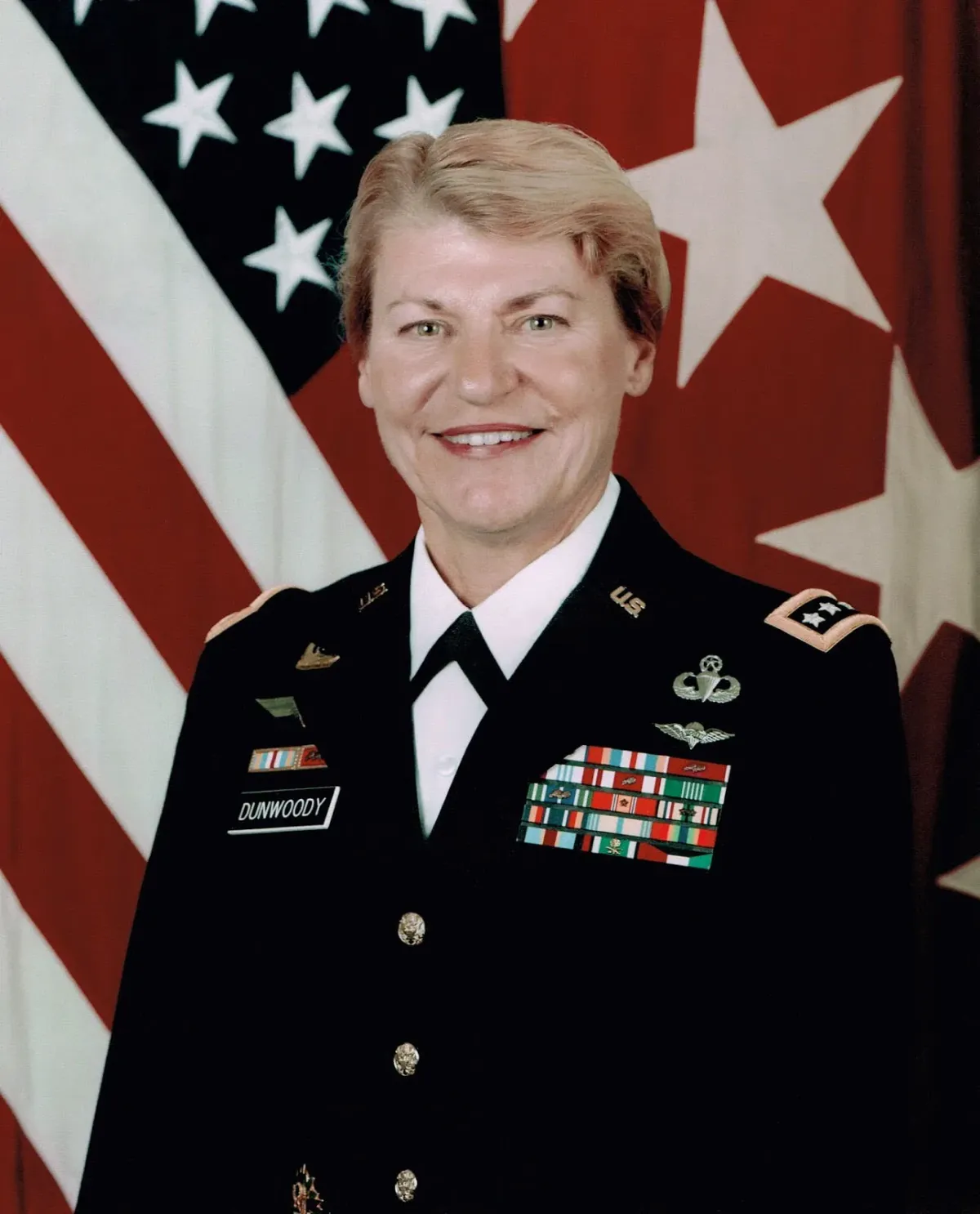
Ann Dunwoody was commissioned in 1975 and built her career in logistics, the work of moving and supplying an army. She served as the 82nd Airborne Division's parachute officer in the Gulf War and later led a series of logistics commands. On November 14, 2008, at a Pentagon ceremony, she became the first woman in the U.S. armed forces to reach four-star rank. That afternoon she took command of Army Materiel Command, which she led until 2012.
2013 to 2015: Every Job Open
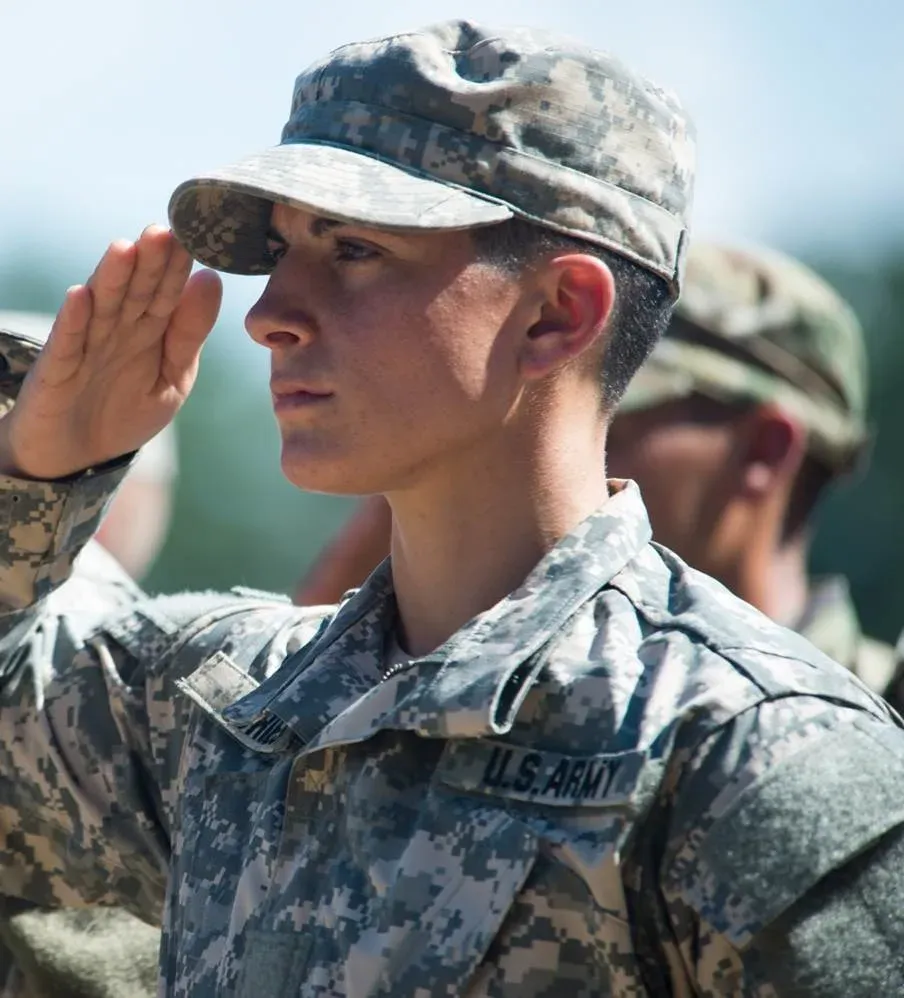
By 2013 more than 150 servicewomen had died in Iraq and Afghanistan, and the old limits were hard to defend. On January 24, 2013, Secretary of Defense Leon Panetta and Gen. Martin Dempsey, chairman of the Joint Chiefs of Staff, rescinded the 1994 rule that kept women out of units below brigade level whose main mission was direct ground combat.
In April 2015, nineteen women entered Army Ranger School at Fort Benning, Georgia, under the same standards as the men. On August 21, Capt. Kristen Griest, a military police officer, and 1st Lt. Shaye Haver, an Apache helicopter pilot, earned their Ranger tabs, the first women to do so. Maj. Lisa Jaster followed in October.
On December 3, 2015, Secretary of Defense Ash Carter announced that all remaining jobs, about 220,000 positions in infantry, armor, reconnaissance and some special operations units, would open to women without exception, starting in January 2016.
Carrying It Forward
These women proved, often at great cost, that ability and courage were what mattered. By 2016 about one in six active-duty service members was a woman. When you visit the Wall of Honor, remember that every woman who has served, from Bay Shore or anywhere else, stands in this same long line.