For most of American history, women could not legally join the armed forces. They served anyway. Some followed their husbands to war and ended up working the guns. Some put on a uniform and enlisted under a man's name. Many more nursed the sick and wounded close to the fighting.
The eight portraits below run from the American Revolution to the Spanish–American War, before women had any official place in the ranks. Where a story has grown into legend, we say so.
Margaret Corbin: Wounded at Fort Washington
On November 16, 1776, British and Hessian troops stormed Fort Washington, at the northern end of Manhattan. Margaret Corbin was there with her husband, John, a Pennsylvania artilleryman. When John was killed at his cannon, she kept it firing until she was hit in the chest, jaw and left arm, wounds that left the arm disabled for life.
Captured and later released, she joined the Corps of Invalids, a unit of disabled soldiers posted at West Point. On July 6, 1779, the Continental Congress voted her half a soldier's monthly pay for life, plus a suit of clothes, making her the first woman to receive a pension from the United States for military service. She died in 1800. In 1926, remains believed to be hers were reburied at West Point, but in 2016 Army forensic experts found that they belonged to an unknown man. Her monument there was rededicated in 2018.
"Molly Pitcher": Legend and the Women Behind It
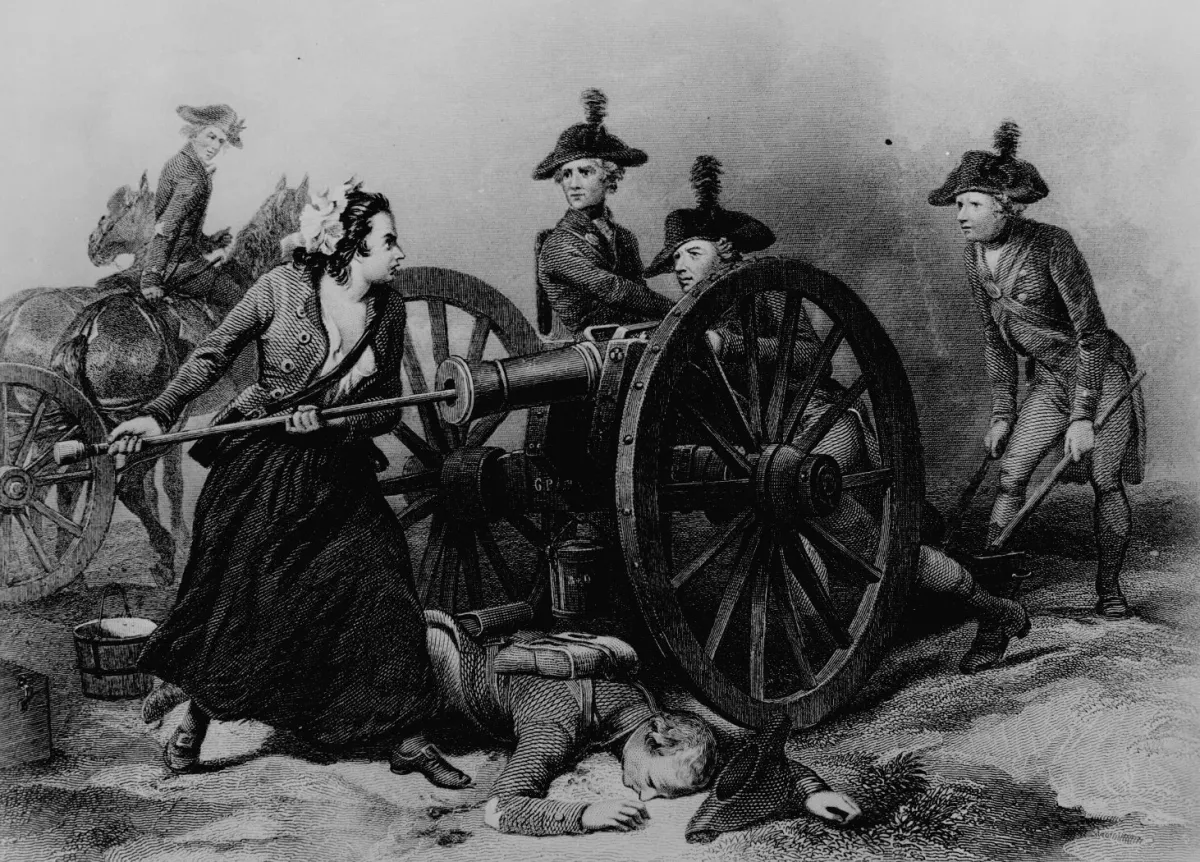
The familiar story says a woman named Molly Pitcher carried water to soldiers at the Battle of Monmouth, New Jersey, on June 28, 1778, then took her fallen husband's place at a cannon. As usually told, this is a legend. The National Park Service calls Molly Pitcher a composite folk hero, built from the deeds of many women who brought water to troops and gun crews. The name likely grew out of soldiers calling for water.
Real history lies underneath. Joseph Plumb Martin, a private at Monmouth, wrote in an 1830 memoir about a woman who worked beside her husband's artillery piece through the battle and kept going after a cannonball tore through her skirt. He did not name her. She is most often identified as Mary Ludwig Hays, later Mary McCauley, of Carlisle, Pennsylvania, an artilleryman's wife whom Pennsylvania granted $40 a year decades later for her service. Claims that George Washington made her a sergeant have no support in military records. Margaret Corbin, called "Captain Molly," is often mixed into the legend.
Deborah Sampson: Private "Robert Shurtleff"
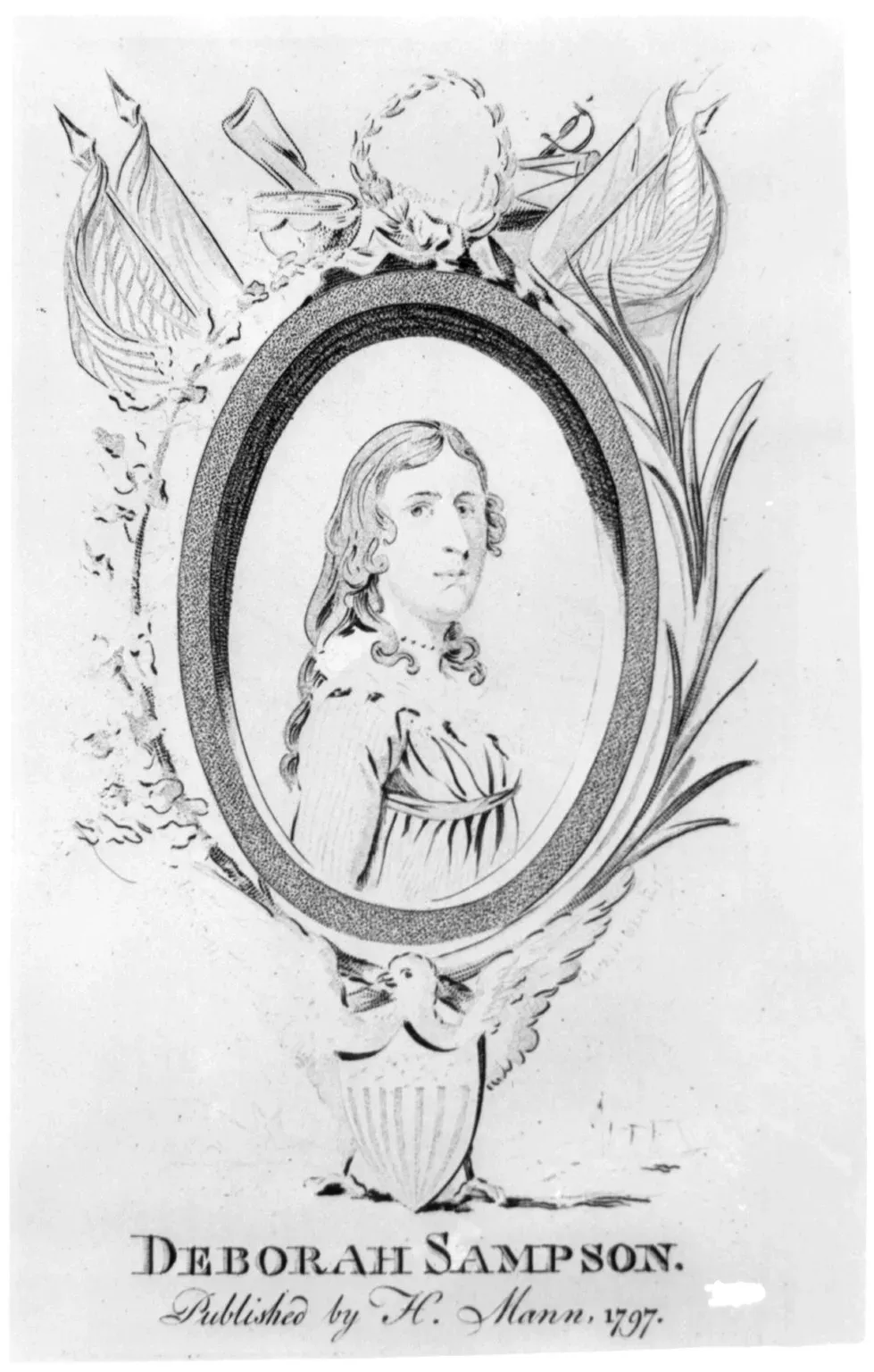
Deborah Sampson, born in Massachusetts in 1760 and raised as an indentured servant, enlisted in the Continental Army in May 1782, disguised as a man named Robert Shurtleff. She served about 17 months with the 4th Massachusetts Regiment in New York. Wounded, she treated herself rather than risk a doctor's examination; a musket ball stayed in her thigh for life. Her secret came out when she fell ill during an epidemic in 1783, and she was honorably discharged at West Point.
Massachusetts approved her back pay in 1792. With help from Paul Revere and others, she later won a federal disability pension, though at a lower rate than men received. She died in 1827. Congress later granted her widower, Benjamin Gannett, a pension based on her service.
Soldiers in Disguise: Sarah Rosetta Wakeman and Others
The Civil War drew many more women who enlisted under men's names, with estimates in the hundreds on both sides. Most were discovered only when they were wounded, fell ill, were captured or died.
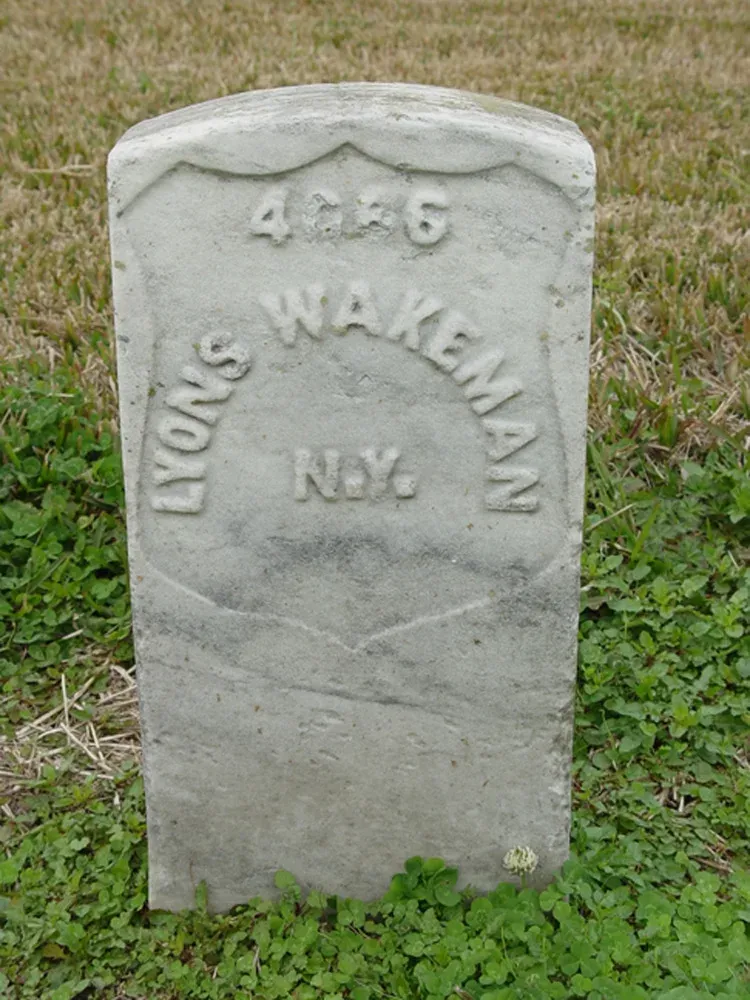
Sarah Rosetta Wakeman, born January 16, 1843, grew up on a farm in Afton, New York. In 1862 she left home dressed as a man, worked as a boatman, and enlisted in the 153rd New York Infantry as Private Lyons Wakeman. After guard duty around Washington, D.C., her regiment went to Louisiana for the Red River Campaign of 1864, where she saw combat. She died of dysentery in a New Orleans hospital on June 19, 1864, and lies in Chalmette National Cemetery under the name she served with. The Library of Congress holds copies of her letters home.
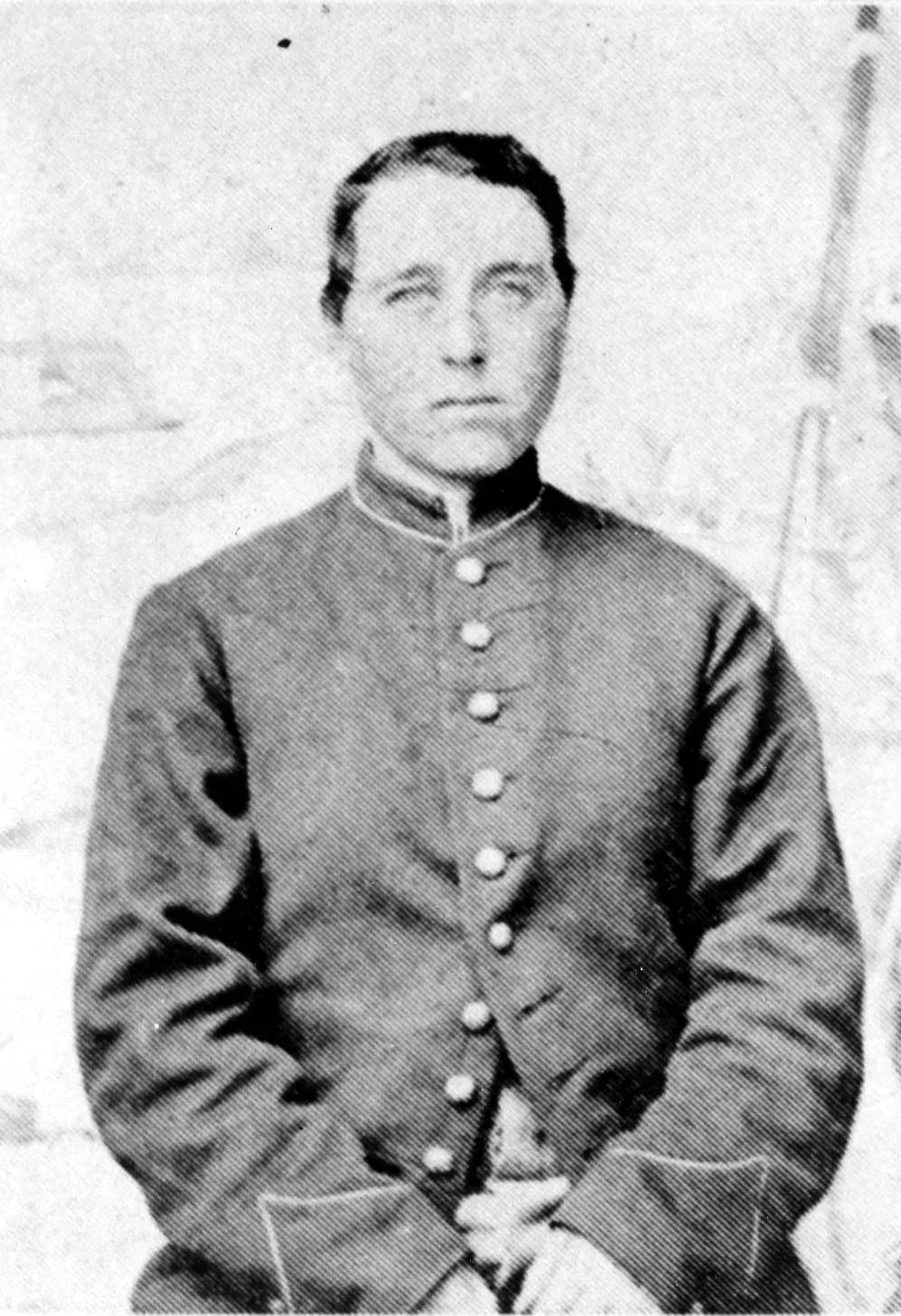
Jennie Hodgers, an Irish immigrant, was never found out in the Army. Enlisting at Belvidere, Illinois, in August 1862 as Albert D. J. Cashier, Hodgers stayed with the 95th Illinois Infantry for three years, from the siege of Vicksburg to the Battle of Nashville, and was mustered out with the regiment in 1865. Cashier then lived as a man in Saunemin, Illinois, for more than 40 years, working odd jobs, voting and drawing a veteran's pension.
The secret came out after a car accident in 1910 broke Cashier's leg. Cashier moved into the state soldiers' home in Quincy in 1911 and, as dementia set in, to a state mental hospital. Newspapers spread the story. When the pension was questioned, old comrades and neighbors vouched for the old soldier. Cashier died in October 1915 and was buried in uniform, with military honors, under the name Albert D. J. Cashier.
Clara Barton and the Civil War Nurses
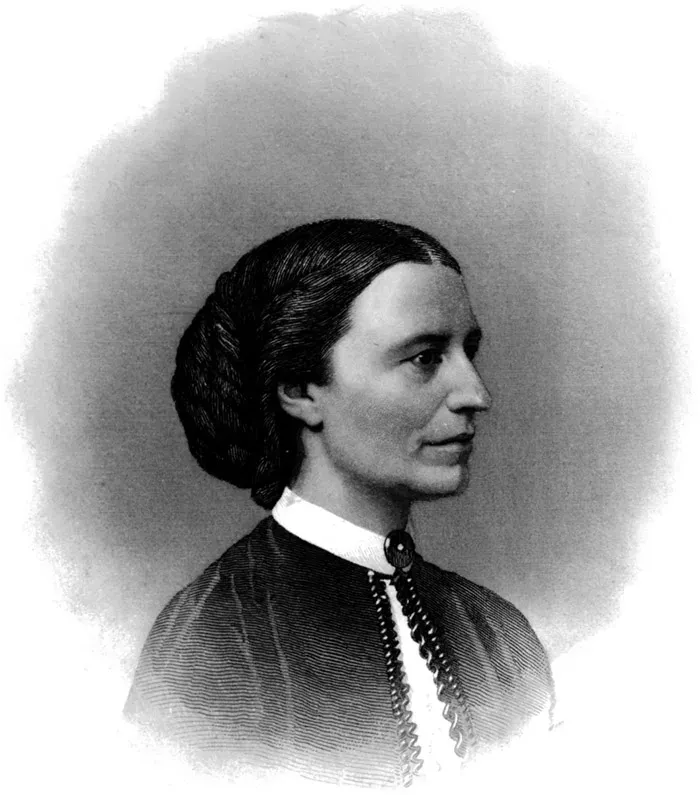
In 1861, with the Army lacking any corps of women nurses, Dorothea Dix was named Superintendent of Women Nurses for the Union Army, and thousands of women went on to serve in its hospitals.
Clara Barton, a Patent Office clerk in Washington, never belonged to the Army. She gathered supplies and carried them herself to field hospitals at Cedar Mountain, Antietam, Fredericksburg and other battles. At Antietam, on September 17, 1862, she cared for the wounded while the fighting went on. A surgeon's grateful comparison earned her the name "Angel of the Battlefield."
After the war, with President Lincoln's approval, she ran an office that searched for missing Union soldiers, handling some 63,000 letters between 1865 and 1868 and helping account for more than 22,000 men. She founded the American Red Cross in 1881, and in 1898, at age 76, she led Red Cross relief in Cuba during the Spanish–American War.
Dr. Mary Edwards Walker and the Medal of Honor
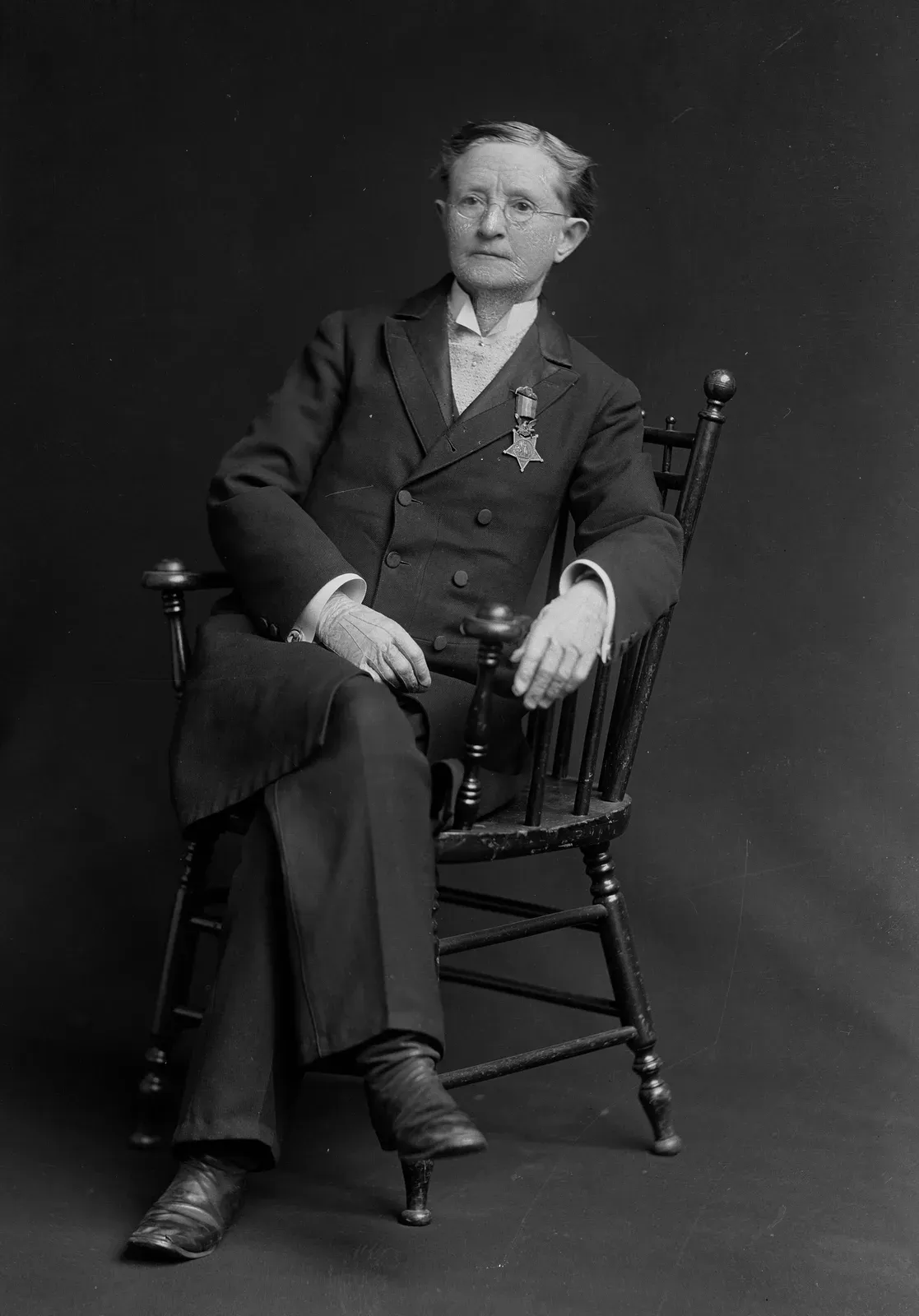
Mary Edwards Walker was born in Oswego, New York, on November 26, 1832, and became a doctor in 1855. When the Civil War began, the Army refused her a commission, so she volunteered without pay, first in Washington and then near the front. In September 1863 she was hired as a civilian contract acting assistant surgeon and served with the 52nd Ohio Infantry.
In April 1864, while crossing the lines to treat civilians, she was captured and accused of spying. She spent about four months in Richmond's Castle Thunder prison before a prisoner exchange freed her. On November 11, 1865, on the recommendation of Generals Sherman and Thomas, President Andrew Johnson signed the order awarding her the Medal of Honor.
In 1917 an Army review board struck more than 900 names from the Medal of Honor roll, hers among them, because she had been a civilian rather than a member of the armed forces. She refused to give the medal back and wore it until her death in 1919. After a long effort by her family, the Army restored it in 1977. She remains the only woman to receive the Medal of Honor.
Cathay Williams: Private "William Cathay," Buffalo Soldier
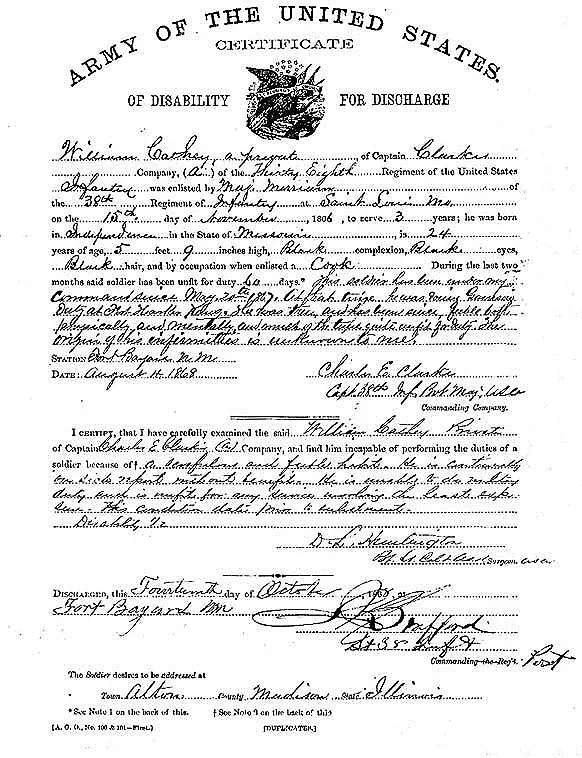
Cathay Williams was born into slavery in Independence, Missouri, around 1844. After Union troops occupied Jefferson City, near where she was enslaved, in 1861, she worked for the Army as a cook and laundress for the rest of the war.
On November 15, 1866, in St. Louis, she enlisted in Company A of the 38th U.S. Infantry as William Cathay. The 38th was one of the Army's new all-Black regiments, whose soldiers became known as Buffalo Soldiers. After a bout of smallpox, she marched with her company to New Mexico posts including Fort Union and Fort Bayard. Repeated hospital stays led the surgeon at Fort Bayard to discover that she was a woman, and she received a disability discharge on October 14, 1868.
In 1876 she told a St. Louis newspaper why she had joined: "I wanted to make my own living and not be dependent on relations or friends." Around 1890 she applied for a disability pension and was turned down. Her death date and burial place are unknown. She is the only woman documented to have served as a Buffalo Soldier.
The Nurses of 1898 and the Army Nurse Corps
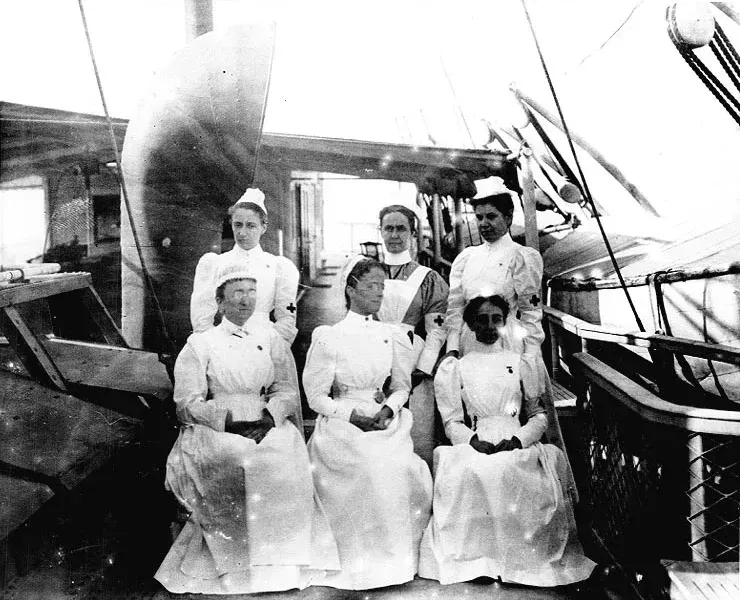
In the 1898 war with Spain, typhoid fever swept the Army's crowded training camps, and there were not enough trained men to nurse the sick. Congress allowed the Army to hire women nurses under contract. Dr. Anita Newcomb McGee, a physician and an officer of the Daughters of the American Revolution, organized the screening of thousands of applicants and served as an acting assistant surgeon in charge of the Army's women nurses.
More than 1,500 women served as contract nurses, in camps at home, in Cuba, Puerto Rico, Hawaii and the Philippines, and aboard the hospital ship Relief. About 250 were Catholic sisters. Several died of typhoid while on duty.
Their work made the case for a permanent corps. Dr. McGee drafted the legislation, and the Army Reorganization Act of February 2, 1901, made the Nurse Corps (female) a permanent part of the Army Medical Department. The Navy Nurse Corps followed in 1908.
Remembering Their Service
None of these women could serve on equal terms with men, and several fought for years to have their service recognized. Not until 1943, with the Women's Army Corps, could women enlist in the Army as soldiers. When we honor Bay Shore's veterans, these women belong in the story: every woman who has served since walks a path they helped open.